
Understanding the Risks in Language Learning Apps
Language learning apps have revolutionized the way individuals connect with new languages, providing unparalleled flexibility and accessibility. This ease of use has made these platforms increasingly popular among learners of all ages. However, as their usage surges, concerns regarding data security are becoming increasingly significant. Users must be vigilant about the sensitive information they share while navigating these digital learning environments.
When engaging with language learning apps, it is crucial to consider various aspects of security in language learning apps:
- Personal Data Protection: Many applications require users to input personal information such as their name, email address, and login credentials. Some even request payment information for premium features. For instance, users of popular apps like Duolingo or Babbel often provide their credit card details to access additional lessons or features. It is vital to assess what data is necessary and how it is being safeguarded.
- Privacy Policies: Users should have a clear understanding of how their data is collected, utilized, and potentially shared with third parties. A glance at the privacy policy can reveal whether your information might be sold to advertisers or used for market research. For example, a study conducted in 2022 revealed that many language learning apps failed to adequately inform users about data sharing practices, highlighting the importance of scrutiny before usage.
- Account Security: Ensuring strong password protection and reliable recovery options is essential for safeguarding user accounts. Weak passwords can leave accounts vulnerable to hacking attempts. For example, users should employ unique passwords and consider enabling two-factor authentication where possible, which adds an extra layer of security by requiring a second form of verification, such as a text message code.
With the rising frequency of data breaches reported across various applications, safeguarding personal information has never been more crucial. The 2020 breach at a popular language app exposed the personal data of millions of users, underscoring that no platform is invulnerable. By implementing proactive measures, learners can not only protect their information but also enhance their overall digital experience while pursuing their linguistic goals.
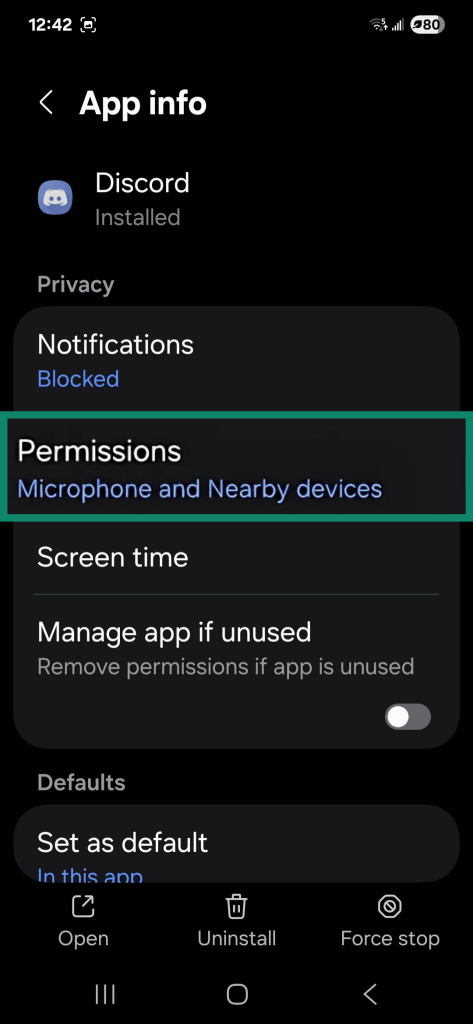
This article delves deeper into effective strategies to enhance security in language learning applications. Readers will discover practical steps, such as utilizing password managers, regularly checking app permissions, and staying informed about updates related to data privacy. By taking these precautions, your language-learning journey can be both enriching and secure, allowing for a stress-free focus on mastering a new language.
DISCOVER MORE: Click here to dive deeper
Identifying Common Vulnerabilities
As users embrace the convenience of language learning apps, it is essential to recognize and address the vulnerabilities these platforms may present. Every app, regardless of its popularity, can become a target for hackers seeking to exploit user data. Understanding these vulnerabilities allows learners to remain proactive in protecting their personal information.
Inadequate Encryption Standards: One of the primary risks associated with language learning apps is the lack of robust encryption measures. Applications that fail to encrypt user data can expose sensitive information, including credit card details and personal messages. For instance, an analysis of various language learning platforms found that several do not utilize HTTPS procedures, leaving users vulnerable to interception by cybercriminals. Always choose apps that prioritize encryption to ensure that both your account and payment information are safeguarded during transmission.
Social Media Integration: Many language learning apps offer the option to sign in using social media accounts. While this can provide convenience, it can also compromise your privacy. Apps may gain access to other personal information linked to your social accounts, increasing the risk of data exposure. Moreover, if a social media account is hacked, any linked applications can also become accessible to unauthorized users. It is advisable to create unique logins for each app to minimize the risk of widespread data breaches.
Third-Party Data Sharing: Understanding how language learning apps manage your data is crucial. Many apps partner with third-party services for analytics or advertising, which can complicate data security even further. Without stringent oversight, your information may be shared or sold without your explicit consent. A notable example is an app that collected user data for profiling; a significant portion of users reported that they were unaware of this practice. Scrutinizing privacy policies can help you detect potential pitfalls related to third-party sharing.
Inconsistent Updates: Regular updates are vital for addressing and patching security vulnerabilities within apps. However, some language learning applications may lack timely updates or neglect to inform users about the importance of installing them. Cyber threats are continually evolving, so applications that do not adapt can leave user data susceptible. Always keep your apps updated to integrate the latest security features and fixes.
Taking the time to identify these vulnerabilities is key to mitigating risks associated with language learning apps. By understanding the potential dangers, users can adopt safer practices that safeguard their information. The next section will provide you with actionable tips that can enhance your data security, allowing you to fully enjoy your journey towards fluency without compromising your personal safety.
| Category | Description |
|---|---|
| Data Encryption | Encryption ensures that your personal information is scrambled and is only accessible to those who have the decryption key, significantly reducing the risk of data breaches. |
| User Authentication | A robust authentication mechanism, such as two-factor authentication, adds an extra layer of security, making it more difficult for unauthorized users to access your account. |
When navigating the world of language learning apps, it is essential to be aware of your data security. This is particularly vital when personal information, including your name, email, and learning habits, is involved. Security features like data encryption and user authentication are crucial for protecting your information from potential threats. Language learning apps with robust encryption standards ensure that your data remains confidential and less susceptible to cyber attacks. Moreover, implementing user authentication techniques, such as unique passwords and two-factor verification, can provide added assurance.Using apps from reputable developers is a fundamental aspect of maintaining your data privacy. Always check for reviews and privacy policies, as this can give insight into how your information will be handled. Furthermore, keep your app updated to benefit from the latest security patches and measures. Being proactive in understanding the security features offered can empower you to enjoy your language learning experience while safeguarding your valuable data.
DIVE DEEPER: Click here to discover more
Essential Tips for Enhancing Data Security
Having identified the common vulnerabilities associated with language learning apps, it is now pivotal for users to be equipped with effective strategies to bolster their data security. Following simple yet actionable steps can significantly mitigate the risks to your personal information, allowing you to immerse yourself in language acquisition without undue concern.
1. Utilize Strong, Unique Passwords: One of the simplest yet most effective ways to protect your accounts is by using strong, unique passwords for each app. Avoid common phrases or easily guessable information like birthdays or pet names. Instead, opt for a combination of uppercase and lowercase letters, numbers, and symbols. Password managers can also be a great tool for securely storing and generating complex passwords.
2. Enable Two-Factor Authentication: Many reputable language learning apps now offer two-factor authentication (2FA) as an added layer of security. By requiring an additional verification step—such as a code sent to your phone—users can protect their accounts even if a password is compromised. Always activate this feature if available, as it serves as a deterrent against unauthorized access.
3. Be Cautious with Personal Information: When using language learning apps, think critically about the personal information you provide. Many apps ask for details such as location, interests, and sometimes even health information. Always consider whether sharing this data is necessary for your learning experience. If not, opt to keep that data private.
4. Read Privacy Policies and Terms of Service: Before using any language learning app, it’s imperative to review the privacy policies and terms of service. This documentation can provide insights into how the app collects, manages, and shares your data. Look for details on data retention, third-party sharing, and compliance with regulations such as the California Consumer Privacy Act (CCPA), which governs user data rights.
5. Regularly Monitor Your Account Activity: Keeping an eye on your account activity can help users quickly detect any suspicious actions. If a language learning app notifies you of a login from an unfamiliar device or location, take immediate action by either changing your password or reaching out to customer support. Setting up alerts for account activity can also bolster monitoring efforts.
6. Choose Reputable and Well-Rated Apps: The language learning app market is increasingly crowded, making it essential to research apps before downloading. User reviews, expert feedback, and security ratings can offer valuable insights into an app’s reliability. Only download apps from trusted sources, such as official app stores or the developers’ websites, to minimize risks associated with malware or poorly engineered platforms.
7. Practice Safe Internet Habits: Beyond app-specific measures, adopting good internet hygiene is paramount. Avoid public Wi-Fi networks when accessing sensitive information and consider using a Virtual Private Network (VPN) to secure your internet connection while learning. Maintain updated antivirus software on your devices to further protect against potential data breaches.
By implementing these practices, users can create a secure environment that minimizes risks while maximizing the enjoyment and effectiveness of language learning apps. Remaining informed and vigilant is crucial in traversing the digital landscape of education in today’s technology-driven world.
EXPLORE MORE: Click here to dive deeper
Conclusion: Empowering Your Language Learning Journey with Data Security
As the popularity of language learning apps continues to surge, users must prioritize their data security to enhance their educational experience. The integration of technology into learning should not come at the cost of personal information safety. By adhering to the essential tips discussed throughout this article—such as utilizing strong passwords, enabling two-factor authentication, and being mindful of the information you share—you can significantly reduce your vulnerability to data breaches.
Moreover, understanding the privacy policies of the apps you choose is fundamental in ensuring that your data is handled responsibly. Stay vigilant by regularly monitoring your account activity and selecting reputable apps with positive user feedback. This due diligence not only protects you but also enhances confidence in the technology enabling your language learning journey.
Finally, embracing safe internet habits, like avoiding public Wi-Fi and employing VPNs, can add additional layers of protection. The digital landscape is continuously evolving, making it imperative that users remain informed about potential threats and are equipped with effective strategies to counter them.
In conclusion, language learning apps offer incredible opportunities for cultural exchange and personal development, but they also require users to take an active role in safeguarding their data. By cultivating a proactive approach to data privacy and security, language learners can focus on their acquisition journey without the shadow of concern, ultimately leading to a more rewarding and effective learning experience.