
User Interfaces

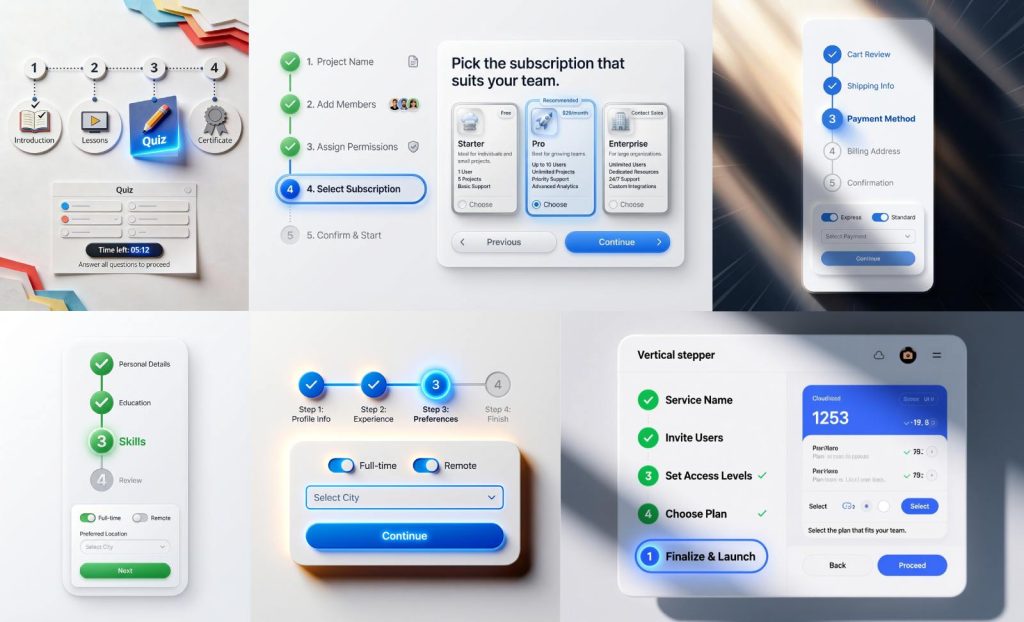
Best Practices for Interface Design to Enhance Usability in Apps

This article explores best practices for interface design that enhance usability in apps. It emphasizes consistency, simplicity, and streamlined navigation while highlighting the importance of user-centered design, feedback, and accessibility. By prioritizing these elements, developers can create engaging applications that meet user needs and foster long-term success.

Best Practices for Interface Design to Enhance Usability in Apps Read Post »

User Interfaces

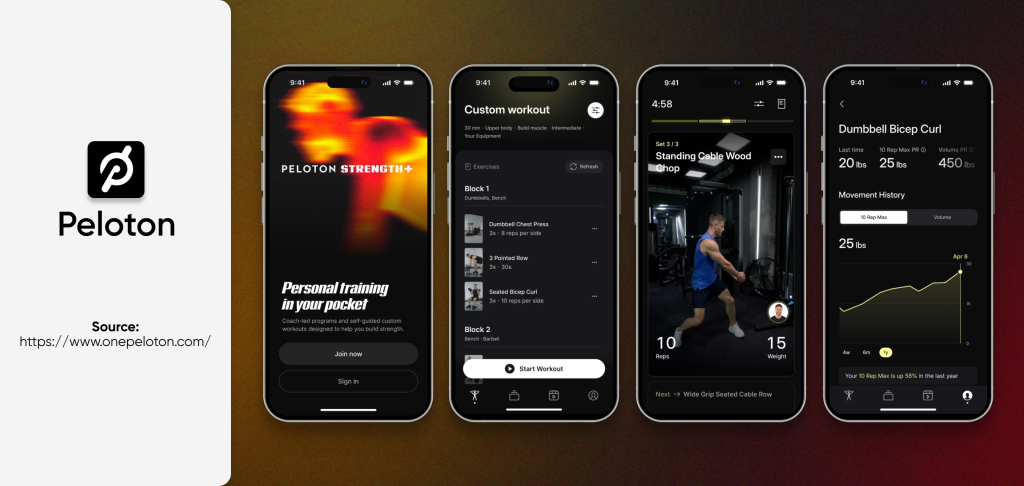
Microinteractions: Small Details That Make a Big Difference in Apps

Microinteractions are essential elements in app design that enhance user experience through subtle interactions. These small details, like animations and feedback mechanisms, create engaging and intuitive interfaces, improving usability and encouraging user retention. By prioritizing thoughtful microinteractions, developers can foster emotional connections and elevate overall satisfaction in applications.

Microinteractions: Small Details That Make a Big Difference in Apps Read Post »

User Interfaces

User Interfaces and User Experience: How Design Affects Customer Satisfaction

In today’s digital landscape, effective user interfaces (UI) and user experience (UX) are crucial for enhancing customer satisfaction. Thoughtful design drives user engagement, fosters brand loyalty, and accommodates accessibility needs. Prioritizing these elements not only improves retention but also leads to increased conversions and a competitive edge.

User Interfaces and User Experience: How Design Affects Customer Satisfaction Read Post »

User Interfaces

The Importance of Accessibility in User Interfaces: Tips for Developers

Creating accessible user interfaces is essential for inclusivity, impacting approximately 1 in 4 adults with disabilities. Developers can enhance usability by employing strategies such as semantic HTML, keyboard navigation, and responsive design. Prioritizing accessibility not only fulfills legal obligations but also enriches user experiences and broadens market reach.

The Importance of Accessibility in User Interfaces: Tips for Developers Read Post »

User Interfaces

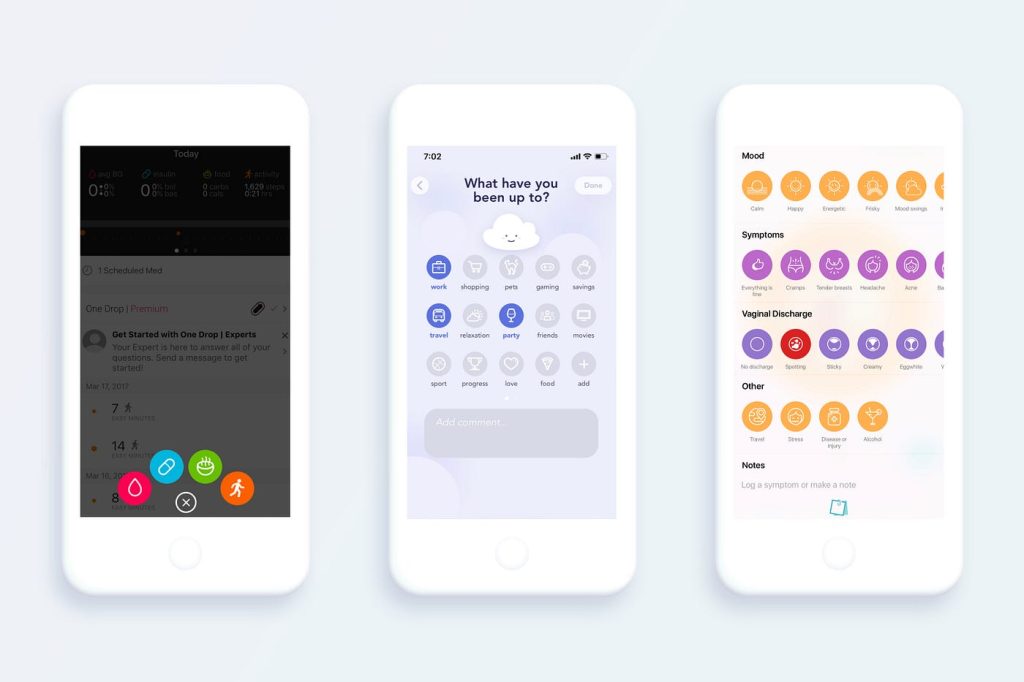
Gamification in User Interfaces: Increasing Engagement in Applications

Gamification integrates game mechanics into user interfaces to boost engagement and retention in applications. By leveraging elements like point systems, leaderboards, and rewards, developers can create immersive experiences that motivate users. This strategy not only enhances user enjoyment but also fosters loyalty across various industries.

Gamification in User Interfaces: Increasing Engagement in Applications Read Post »

User Interfaces

Microinteractions in User Interfaces: Small Details that Make a Big Difference

Microinteractions play a vital role in enhancing user experience within digital interfaces. These subtle design elements provide immediate feedback, create emotional connections, and improve usability. By focusing on simplicity, context, and thoughtful animations, designers can transform ordinary interactions into memorable experiences, significantly boosting user satisfaction and engagement.

Microinteractions in User Interfaces: Small Details that Make a Big Difference Read Post »

User Interfaces

Future Trends in User Interfaces: The Impact of Artificial Intelligence

The integration of artificial intelligence is revolutionizing user interfaces, making them more intuitive and accessible. Key trends include voice recognition, personalized experiences, and immersive augmented and virtual reality environments. However, ethical concerns such as data privacy and algorithmic bias must be addressed as technology evolves to enhance user engagement.

Future Trends in User Interfaces: The Impact of Artificial Intelligence Read Post »

User Interfaces

Best Practices for User Interface Design in Mobile Applications

In the competitive realm of mobile applications, effective user interface design is essential for enhancing user experience. Key practices include intuitive navigation, responsive design, aesthetic consistency, and incorporating innovative features like personalization and voice interfaces. Focusing on usability fosters user loyalty and engagement, ensuring your app stands out in a crowded market.

Best Practices for User Interface Design in Mobile Applications Read Post »

User Interfaces

Gamification in Interfaces: How to Engage Users Through Design

This article explores how gamification enhances user engagement in digital interfaces by integrating game-like elements. By incorporating features such as points, rewards, and challenges, businesses can create interactive experiences that motivate users, increase retention, and foster brand loyalty. Embracing this approach is essential for effective design in today’s digital landscape.

Gamification in Interfaces: How to Engage Users Through Design Read Post »

User Interfaces

Inclusive Design: How to Create Interfaces that Meet the Needs of All Users

Creating inclusive digital experiences is essential for accessibility and user satisfaction. By prioritizing diverse user needs, including cultural sensitivity and flexible navigation, organizations can enhance engagement. Embracing user-centered research and assistive technologies not only fosters brand loyalty but also promotes a more equitable digital landscape for all users.

Inclusive Design: How to Create Interfaces that Meet the Needs of All Users Read Post »

User Interfaces

The Evolution of User Interfaces: Trends and Innovations for 2024

As user interfaces evolve, 2024 promises transformative trends like voice user interfaces, augmented reality, gesture controls, and AI-driven personalization. These innovations enhance accessibility and engagement, reshaping our interactions with technology. Emphasizing inclusivity and emotional intelligence, the future of user interfaces prioritizes seamless, intuitive experiences for all users.

The Evolution of User Interfaces: Trends and Innovations for 2024 Read Post »

User Interfaces

The Psychology of Colors in User Interfaces: How Colors Influence User Experience

Colors profoundly impact user experience by influencing emotions, decision-making, and navigation in digital design. By understanding color psychology, designers can create engaging interfaces that evoke specific feelings and drive user actions, enhancing overall usability and fostering brand loyalty. Thoughtful color choices lead to more effective user interactions in digital environments.

The Psychology of Colors in User Interfaces: How Colors Influence User Experience Read Post »

User Interfaces

Microinteractions: The Power of Details in User Interfaces

Microinteractions enhance user interfaces by adding engaging details that elevate the overall experience. These small yet impactful elements, such as feedback, animations, and contextual help, significantly improve usability and resonate emotionally with users. By focusing on these nuances, brands can foster loyalty and differentiate themselves in a competitive digital landscape.

Microinteractions: The Power of Details in User Interfaces Read Post »

User Interfaces

The Importance of Usability in Mobile Application Interfaces

Usability is essential in mobile application interfaces, directly impacting user satisfaction, engagement, and retention. Intuitive design elements, responsive layouts, accessibility features, and user feedback are key to creating a seamless experience. Prioritizing these aspects fosters loyalty, enhances business success, and ensures relevance in a competitive app marketplace.

The Importance of Usability in Mobile Application Interfaces Read Post »

Scroll to Top