
Advancements in Photo Editing Technology
Over the past decade, the world of photo editing has transformed dramatically, driven largely by advancements in technology and user expectations. New interfaces for photo editing apps have emerged, making these tools more intuitive and accessible for both amateurs and professionals alike.
Several trends have defined this evolution:
- Touchscreen Optimization: Interfaces designed for touch devices encourage a more hands-on approach to editing. As smartphones and tablets have become ubiquitous, developers have tailored applications to leverage multi-touch gestures, allowing users to zoom in, crop, or adjust settings with simple finger movements. Applications like Procreate and Affinity Photo have capitalized on these features, offering precise control that mimics traditional artistic techniques, such as painting or drawing.
- AI Integration: Smart features like auto-enhance and object recognition streamline workflows. With artificial intelligence, apps such as Adobe Photoshop and Luminar AI can analyze images to provide recommendations, automatically adjusting exposure, contrast, and color balance for optimal results. These innovations not only save time but also provide users with enhanced options that might be overlooked without such technology.
- Minimalist Design: Simplicity is key, with clutter-free layouts focused on essential tools. Applications like Canva and VSCO have embraced a clean aesthetic that allows users to focus on their creative visions without distraction. This approach makes the editing process less intimidating for beginners, fostering confidence and encouraging experimentation.
These innovations have reshaped how users interact with their editing tools. For instance, apps like Adobe Lightroom and Snapseed have incorporated user-friendly sliders for quick adjustments, giving users immediate feedback on their edits. With a simple swipe, they can transform dull photos into vibrant images, which is especially beneficial for those looking to enhance their social media presence. Meanwhile, Canva provides an extensive library of templates that cater to social media aesthetics, allowing users to create visually appealing content that stands out in crowded feeds.
As technology continues to evolve, so too will the features and interfaces of photo editing apps. This ongoing transformation invites users to explore new possibilities in creativity while redefining the standards for digital photography. The rise of platforms like TikTok has further influenced photo editing, as creators seek to capture the fleeting attention of viewers with stunning visuals and quick edits, showcasing the importance of continuous learning in this fast-paced digital age.
Ultimately, these trends highlight a movement towards inclusivity and accessibility in photo editing, making it possible for anyone with a smartphone to become a skilled visual storyteller. Whether for personal expression, promoting a business, or simply sharing moments with friends, the tools of the trade are at the fingertips of an ever-growing audience eager to explore their creativity in this digital era.
DISCOVER MORE: Click here for additional insights
Transforming User Experiences in Photo Editing
The landscape of photo editing has witnessed unprecedented growth, not merely in technological capabilities but also in the way these tools are designed for user interaction. As mobile devices proliferate and social media formats evolve, photo editing apps have adapted to meet the diverse needs of an increasingly visually-driven society. This adaptation has spurred innovations that not only enhance performance but also redefine user engagement with these applications.
One of the standout trends of this evolution is Collaborative Editing. In an era characterized by teamwork and real-time sharing, photo editing apps like Fotor and Canva now offer features that allow multiple users to edit the same image simultaneously. Collaboration tools, integrated with cloud storage, enable users to seamlessly share photos and editing ideas, enabling creative partnerships that transcend geographical boundaries. This is particularly valuable for businesses and brands seeking cohesive visual storytelling across platforms.
Moreover, the shift towards Augmented Reality (AR)-enabled editing is revolutionizing traditional practices. Applications such as Lens Distortions and Snapchat’s editing features provide users with the ability to visualize effects in real-time, allowing for dramatic transformations that enhance the editing experience. By superimposing digital elements onto real-world environments, these tools invite users to immerse themselves deeper into the editing process, experimenting with imaginative visuals that were once confined to professional studios.
As we dive deeper into the capabilities of these modern photo editing apps, it is essential to recognize their AI-Powered Features. Alongside automation, predictive analytics are emerging, forecasting what edits a user might prefer based on their previous activities. For instance, PortraitPro uses machine learning to analyze facial features, suggesting targeted enhancements to create stunning portraits with minimal effort. This level of customization has transformed the editing workflow, empowering users to make stunning adjustments quickly.
- User-Centric Customization: Tailoring interfaces to meet diverse user needs, enhancing the editing experience.
- Integration with Digital Content Creation: A cohesive suite of tools makes it easy to transition from simple edits to complex digital projects.
- Learning Resources: Built-in tutorials and advanced help centers promote user education, boosting confidence and creativity.
The increasing adoption of these user-centric features ensures that developers stay attuned to the evolving preferences of their audience. By investing heavily in user feedback, applications can be continuously refined to enhance satisfaction and usability. As the demand for visually stunning content grows, the challenge for developers remains to strike the right balance between functionality and simplicity, catering to both novice users and seasoned professionals who seek advanced capabilities.
In summary, the evolution of interfaces in photo editing apps has fundamentally reshaped what it means to create and share visual media. The continued convergence of technological advancements and user expectations will undoubtedly inspire further innovations, paving the way for a new generation of creative tools that blend accessibility with advanced features, enticing users to explore the limitless potential of digital photography.
The Evolution of Interfaces in Photo Editing Apps: Trends and Features
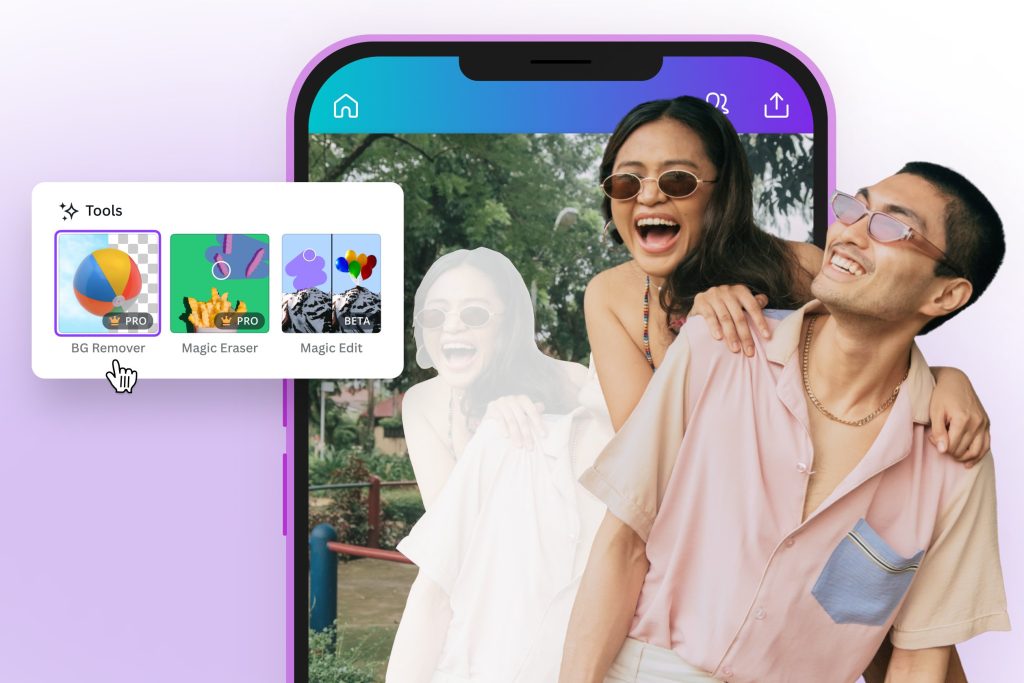
First, the integration of artificial intelligence (AI) has transformed basic editing functionalities into intelligent systems that enhance photographs automatically. Features such as AI background removal and auto-enhancement tools enable users to achieve professional-quality edits with minimal effort. Many popular apps now employ machine learning algorithms to adapt to individual editing styles, thereby offering a personalized experience.
Moreover, the rise of touch-based interfaces on mobile platforms has prompted a shift towards more intuitive gestures and controls. Pinch-to-zoom and swipe functionalities streamline editing processes, making it accessible for both novice and experienced users. Developers have recognized the demand for simplification without sacrificing performance, which has prompted innovations like customizable toolbars.
Another major trend involves the incorporation of social media integration, providing seamless sharing capabilities. This aspect not only caters to the need for immediate feedback from friends or followers but also encourages users to engage with the editing community. Cross-platform compatibility has become vital, allowing edits to transfer easily between devices without quality loss.
| Category | Features and Benefits |
|---|---|
| Artificial Intelligence | Automated enhancements and AI-driven editing tools provide user-friendly experience. |
| Touch-based Interfaces | Intuitive controls simplify the editing process for all skill levels, enhancing accessibility. |
| Social Media Integration | Enables quick sharing and community feedback, enhancing user interaction. |
As we move forward, users can expect even more sophisticated features that balance simplicity and functionality, positioning photo editing apps at the forefront of digital creativity. Stay tuned to uncover even more exciting advancements within this dynamic industry.
EXPLORE MORE: Click here for additional insights
The Rise of Minimalism and Intuitive Interfaces
Another pivotal trend in the evolution of photo editing apps is the embrace of minimalism in design. Users today are inundated with information, and their focus is shifting to interfaces that prioritize simplicity and intuitive navigation. This shift can be observed in apps like Adobe Lightroom Mobile and PicsArt, which both adopt clean layouts that emphasize essential tools while minimizing distractions. The use of iconography and contextual menus allows for quicker access to functionalities, enabling users to immerse themselves in creativity rather than be deterred by complicated user interfaces.
Gesture-Based Controls are at the forefront of enhancing user experience. As touchscreens dominate mobile devices, intuitive gestures such as pinch-to-zoom, swipe for filters, and tap to select make editing seamless and enjoyable. Apps like Snapseed have harnessed these tactile features effectively, transforming actions into fluid motions that feel almost instinctual. This accessibility promotes a wider demographic to engage with photo editing and empowers even the least tech-savvy users to create visually appealing content.
Integration of Layered Edits and Non-Destructive Editing Techniques
The increasing sophistication of layer management tools reflects a growing demand for advanced editing capabilities without sacrificing user-friendliness. Modern photo editing apps are witnessing the integration of layered edits as seen in software like Affinity Photo and Adobe Photoshop Express. This structure allows users to build upon their edits iteratively, providing greater control without the fear of destructive changes to the original photo. Non-destructive editing is especially crucial for professionals who require the flexibility to revisit and refine their edits over time.
Moreover, the connection of photo editing apps with cloud services has become standard practice, enhancing collaboration and user experience through cross-device synchronization. Users can begin an edit on one device and continue it seamlessly on another, ensuring that their creative process remains uninterrupted. This functionality is vital for users who are moving between devices—from smartphones to tablets to desktops—enabling a fluid creative workflow.
Enhanced Social Media Integration
As social media platforms evolve, so too do the features within photo editing apps that cater to direct sharing and compatibility with these services. Many apps now offer direct publishing options with tailored aspects designed for various social media sites, ensuring that images are optimized for different formats and aspects. This capability is exemplified by apps such as VSCO and Instagram’s built-in editor, which not only streamline the process of sharing edited photos but also provide presets designed to align with the aesthetic preferences of platform users.
Furthermore, as platforms like TikTok gain popularity, the demand for video editing capabilities within photo editing apps has surged. Apps like Canva and InShot are evolving to offer seamless transitions between photo and video editing, incorporating dynamic effects and music features that cater to the needs of modern content creators. The blending of these functionalities reflects the user desire for versatility across their digital canvases, empowering them to create more integrated visual narratives.
In summary, we are witnessing a remarkable transformation in photo editing applications where minimalistic design, intuitive controls, and advanced features enhance user engagement. By simplifying the process and embracing versatility, these apps are widening their appeal across various user demographics, ensuring that creativity knows no boundaries.
DIVE IN: Click here to discover more
Conclusion: The Future of Photo Editing Interfaces
As we analyze the evolution of interfaces in photo editing apps, it becomes evident that design trends are being shaped by user preferences towards efficiency, accessibility, and creativity. The drive for minimalism has created spaces where users can focus on their artistic expression rather than being distracted by cluttered options. This shift not only enhances the user experience but also democratizes photo editing, making it accessible for both seasoned professionals and casual creators alike.
The incorporation of gesture-based controls and layered editing techniques signifies a move towards a more tactile and responsive interaction with digital content. These features empower users to explore their creativity without fear, knowing they can experiment and fine-tune their edits without losing the essence of the original image. Additionally, integration with cloud services promotes a seamless editing process across devices, ensuring that creativity can flow freely regardless of where users are working.
Moreover, the enhanced integration with social media platforms highlights the growing demand for immediate connectivity and sharing capabilities, reflecting the importance of online presence in today’s digital landscape. As apps continue to evolve, we can expect an even greater focus on enriching user interfaces, which will subsequently enhance the quality of visual storytelling.
In conclusion, the progress made in photo editing apps is not simply a technical advancement; it represents a cultural shift towards a more visual and interconnected world. As these interfaces become increasingly sophisticated, they will continue to foster innovation and inspire creativity among users, driving the next wave of creative content across countless platforms. Engaging with this new era of photo editing invites both businesses and individuals to delve deeper into the rapidly changing landscape and explore the novel opportunities it presents.