
Understanding the Importance of Software Updates in Fitness Apps
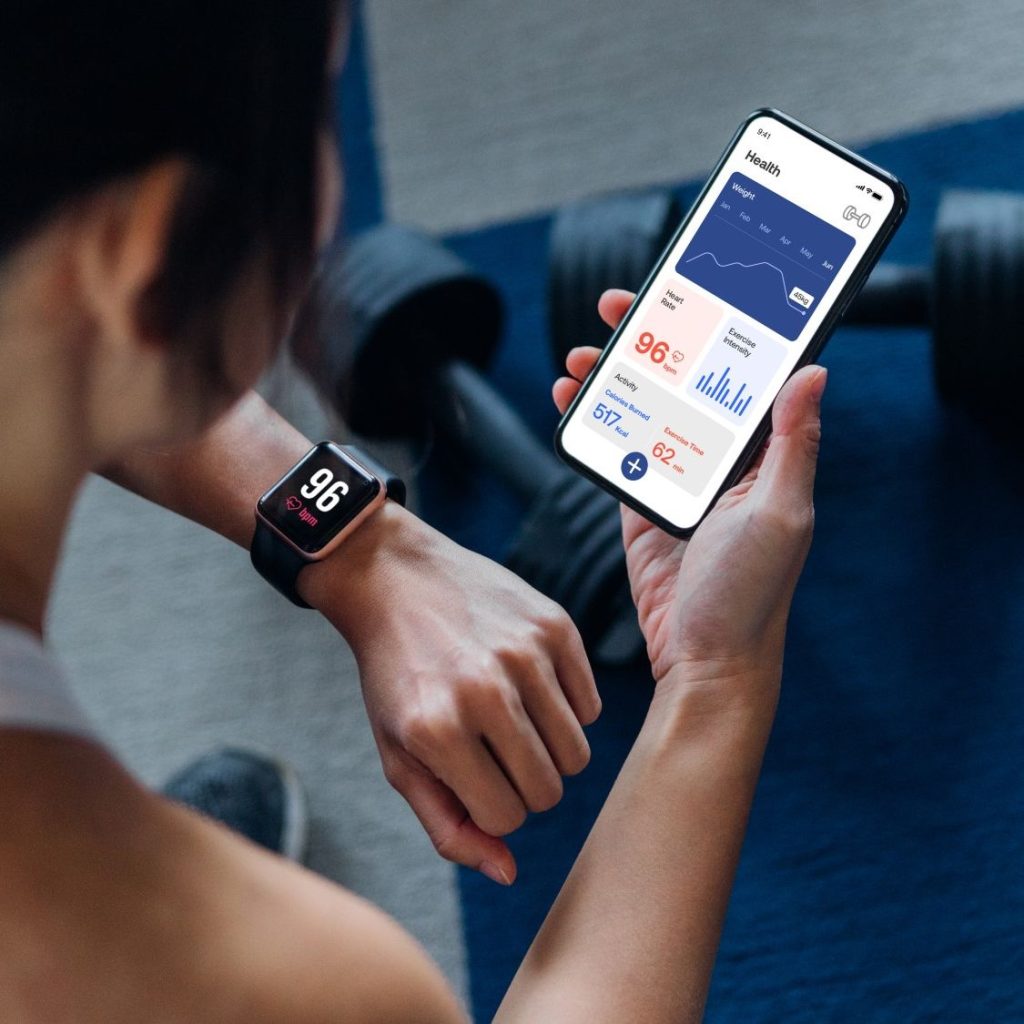
In an age where digital innovation is synchronized with our daily lives, fitness applications have taken a transformative role in health and wellness. These tools have transcended their early functionalities, allowing users to not only track workouts but also manage comprehensive health data including sleep patterns, nutrition intake, and even mental health. Nevertheless, it is in the realm of software updates that fitness apps truly demonstrate their potential to adapt and thrive.
When developers roll out updates, the implications are multifaceted, impacting not just the operational quality of the app but also the overall user experience. Key benefits include:
- Bug Fixes: Updates often address and rectify bugs that may have disrupted user experience. For example, a common issue might be that users cannot properly sync their data across devices. A timely fix ensures users remain engaged without frustration.
- New Features: Regular updates introduce innovative features that significantly enhance usability. Take MyFitnessPal, which frequently adds new database entries for food items, making it easier for users to log meals accurately. Strava, on the other hand, may introduce new social features that allow users to connect and compete with friends, encouraging community engagement.
- Performance Optimization: Enhancements in app performance can lead to quicker loading times and reduced battery consumption. For instance, when an update reduces the app’s memory usage, users may experience extended battery life during workouts—an important factor for those using GPS tracking in outdoor activities.
As exemplified by leading fitness applications such as Fitbit and Strava, consistent updates are a matter of responding to user feedback and integrating cutting-edge technology. Both platforms actively solicit user input, often holding surveys to pinpoint desired improvements. This continuous dialogue not only fine-tunes their services but builds a community of loyal users who feel valued and heard.
The relationship between user feedback and software enhancements underscores the evolution of fitness apps into personalized partners in health. These updates can transform a simple tracking tool into a comprehensive health management system tailored specifically to individual users. By understanding the interplay between ongoing updates and user expectations, app developers can cultivate an inclusive environment where users can achieve their fitness aspirations seamlessly.
Ultimately, by delving into the impact of software updates, users can appreciate how these enhancements contribute to more than just a mobile application—they forge a pathway to a healthier lifestyle that’s both effective and engaging. Such knowledge only deepens the user experience, encouraging them to explore further and utilize features that advance their fitness journey.
DISCOVER MORE: Click here for further insights
Revamping User Experience Through Software Updates
The heartbeat of any successful fitness app lies in its ability to evolve alongside the needs of its users. Software updates serve as a lifeline, enabling apps to respond to the changing landscape of fitness tracking and health management. As technology advances, so too must the applications we rely on. The frequency and nature of these updates can profoundly influence user experience, providing a more streamlined and effective platform for achieving personal health goals.
Consider the impact of bugs and glitches that plague many digital platforms. Users of fitness apps often encounter challenges that can derail their commitment to a fitness journey. From inaccurate tracking of steps to sporadic crashes during workouts, these issues can diminish motivation. However, consistent software updates are crucial in addressing these concerns. By implementing timely bug fixes, app developers ensure that users experience minimal disruption, allowing them to stay focused on their fitness objectives without unnecessary hindrances. Insights from a recent survey indicated that nearly 70% of users would uninstall an app after dealing with persistent bugs, underscoring the necessity of regular updates to maintain user retention.
With updates, app developers also integrate exciting new features that foster user engagement. Leading fitness apps like Nike Training Club and Fitbit continually refine their offerings, rolling out new functionalities aimed at catering to diverse fitness levels and preferences. For instance:
- Personalized Workouts: Users can benefit from AI-driven recommendations based on their fitness history and preferences, ensuring that their workout plans are tailored to personal goals.
- Enhanced Social Connectivity: New updates might introduce features that promote community interaction, like challenges, leaderboards, or group workouts, which can significantly enhance motivation through social support.
- Guided Fitness Programs: By providing structured programs that adjust based on user progress, apps ensure that fitness journeys remain dynamic and engaging.
Moreover, performance optimization is another crucial aspect of software updates that largely impacts user satisfaction. Over time, applications can slow down due to accumulating data and inefficient coding. With the integration of cutting-edge technologies and coding practices in updates, developers can enhance load times and improve battery efficiency. Users of Strava, for instance, often note an increase in battery longevity during long activities after updates improve memory management. Such optimizations are critical when users are in remote areas, relying heavily on their apps for GPS tracking during outdoor runs or bike rides.
The ongoing commitment to software updates results in the creation of a more robust, user-friendly experience, ultimately redefining how individuals engage with their health. Fitness apps are now more than passive tools; they are developed into proactive partners in health management through frequent enhancements. In this ever-competitive market, a strong emphasis on user experience driven by regular software updates is not just a bonus; it is a necessity for app longevity and user retention.
Improving User Experience through Regular Updates
In the rapidly evolving world of fitness applications, software updates play a crucial role in enhancing user experience. These updates not only fix bugs and glitches but also introduce new features and enhancements that cater to user needs. From personalized workout plans to innovative tracking functionalities, each update strives to keep users engaged and motivated.
For example, many fitness apps now integrate health data from various wearable devices, providing a unified platform for users to monitor their progress seamlessly. Furthermore, updates often include user interface improvements that promote easier navigation and provide a more enjoyable fitness journey. This heightened focus on user satisfaction not only retains current users but also attracts new audiences, showcasing the importance of ongoing development in maintaining a competitive edge.
The Role of Security Enhancements
Another critical aspect of regular updates is the enhancement of security measures, which is essential for safeguarding user data. With an increasing amount of personal health information shared through fitness apps, developers must continuously fortify their applications against potential cybersecurity threats. Updates that address vulnerabilities not only protect user data but also build trust between the app developers and their user base.
By prioritizing security in their software updates, fitness apps create a safer environment for users to reach their fitness goals without the fear of data breaches. This dedication contributes to overall user confidence, driving further engagement within the platform and reinforcing the necessity of software updates for long-term success in the fitness app industry.
| Category | Benefits |
|---|---|
| User Experience | Regular updates improve functionality and usability, enhancing overall satisfaction. |
| Security | Updates address security vulnerabilities, safeguarding user data and fostering trust. |
Continued investment in software updates is essential for fitness apps aiming to maintain relevance and efficiency. These enhancements not only support current users in their fitness journeys but also pave the way for attracting new fitness enthusiasts in an increasingly competitive market.
DISCOVER MORE: Click here for additional insights
Empowering Data Security and Privacy Enhancements
As fitness apps proliferate, the management of personal data has become a pivotal concern. Users are increasingly aware of the need for robust data protection, especially when sharing information related to health, fitness goals, and daily activities. In the realm of software updates, strengthening data security and enhancing privacy features stands out as a crucial benefit that cannot be overlooked.
Recent data breaches involving popular fitness apps have raised alarms, emphasizing the need for continuous vigilance. For example, a notorious incident highlighted how sensitive user information was compromised due to intrinsic vulnerabilities. However, routine software updates allow developers to patch these vulnerabilities swiftly, reinforcing the security framework that protects user data. Implementing end-to-end encryption, two-factor authentication, and strong password policies are common enhancements that ensure user information remains confidential and secure against cyber threats.
Furthermore, updates often provide users with greater transparency and control over their data. Leading fitness apps are now adopting features that allow users to customize privacy settings, which can help build trust and loyalty. Users can now opt-in or opt-out of data sharing agreements, ensuring they remain comfortable with how their data is used while engaging with their favorite fitness platforms. This level of empowerment not only satisfies user demand for privacy but also aids in compliance with emerging regulations such as the California Consumer Privacy Act (CCPA) and the General Data Protection Regulation (GDPR) in Europe.
Advancements in Integration and Compatibility
The interconnected nature of today’s fitness ecosystem means that syncing across different devices and platforms is vital for an enriched user experience. Software updates enable fitness apps to seamlessly integrate with a range of devices, from smartwatches to heart rate monitors, resulting in improved performance and usability. For instance, apps like Apple Fitness+ and MyFitnessPal have evolved to synchronize effortlessly with a variety of wearables, offering users a holistic view of their health and fitness data.
These updates also foster compatibility with third-party applications that users may already be utilizing, showcasing the commitment of developers to provide a comprehensive and cohesive fitness experience. Notably, collaboration with health platforms like Google Fit and Apple Health allows users to view consolidated health metrics in one place. By enabling these integrations through software updates, fitness apps can elevate their functionality, ensuring users receive actionable insights from all their devices without redundant data entry.
The Role of User Feedback in Continuous Improvement
In a landscape inundated with options, the race for user retention emphasizes the importance of user feedback in shaping software updates. Apps that actively solicit and respond to user insights can make strides in specific areas requiring improvement. Many top fitness applications, such as Zwift and workout streaming services, cultivate communities that voice their opinions on features and functionalities. Developers can then prioritize those updates that resonate most with users, driving innovation through active involvement.
In addition, conducting regular user satisfaction surveys enables developers to pinpoint areas of concern, whether that be user interface intuitiveness or specific workout features. The data collected can inform prioritization in future updates and help cultivate a user-centric focus for ongoing enhancement of fitness app performance. The direct dialogue created through feedback loops establishes a powerful relationship between users and developers, ultimately leading to a product that meets and surpasses expectations.
DIVE DEEPER: Click here to uncover more insights
Conclusion
In conclusion, the landscape of fitness apps is ever-evolving, and the importance of software updates in enhancing performance cannot be understated. From fortifying data security to improving user experience through integration and compatibility, each update serves as an essential step toward meeting users’ expectations and keeping pace with industry demands. The commitment of developers to prioritize user feedback offers a unique avenue for continuous improvement, ensuring that fitness apps not only retain their existing user base but also attract new ones.
Moreover, as users become more reliant on these digital tools for their health and wellness journeys, the role of software updates goes beyond mere functionality; it transforms into a necessary framework for building user trust and satisfaction. Engaging with new privacy standards and offering personalized features enhances the overall appeal, making fitness apps a crucial part of daily routines. The intersection of innovative technology and user-focused design is paving the way for a more interactive and rewarding fitness experience.
As we witness the ongoing innovations in this digital arena, it becomes evident that remaining informed about how software updates can transform fitness apps is vital. Users are encouraged to explore the ever-growing possibilities, ensuring they harness everything these apps have to offer in their pursuit of health and unity. This journey through evolving technology underscores a refreshing perspective on an active lifestyle, bolstered by the capabilities of cutting-edge applications dedicated to user well-being.