
The Impact of Cloud Storage on Data Management
The emergence of cloud storage services such as Google Drive, Dropbox, and Microsoft OneDrive has fundamentally altered how individuals and organizations manage their data. No longer bound by the limitations of localized storage, users now enjoy the ability to access information from anywhere with an internet connection. This flexibility has led to increased productivity and collaboration; however, the integration of cloud technology also introduces a host of challenges, primarily concerning data security.
In a world where data is a prized asset, breaches are alarmingly common. Over 90% of businesses have experienced a data breach in the last year, a statistic that underscores the vulnerability of even the most diligent organizations. Furthermore, the average cost of a data breach in the United States, estimated at around $4.24 million, highlights the financial repercussions that can devastate a company’s budget and reputation. This raises the important question: how can users protect themselves in an age where data theft and breaches are rampant?
Understanding the Risks
As reliance on cloud services grows, being aware of potential risks is crucial. One significant threat comes from cyberattacks like phishing and ransomware, which can target unsuspecting users. Phishing schemes entice individuals to click on malicious links, revealing sensitive information. Ransomware, on the other hand, encrypts vital data while demanding payment for its release, effectively holding users hostage to their own information.
Another risk is data loss due to accidental deletion or software malfunctions. Imagine the horror of losing critical documents due to human error or a software glitch. Backing up data regularly can mitigate this risk, allowing users to restore information with ease if issues arise. Additionally, one cannot ignore insider threats, which can stem from disgruntled employees or untreated vulnerabilities within the organization. These individuals may exploit their access to sensitive data, risking leaks or theft.
Essential Security Strategies
To safeguard one’s data, adopting effective security measures is vital. This guide will present key strategies to enhance your cloud experience and ensure that your data remains secure and accessible. Utilizing two-factor authentication is one such method that adds an extra layer of protection by requiring a second form of verification beyond just a password. Keeping software updated is also important, as many updates contain critical security fixes that address vulnerabilities.
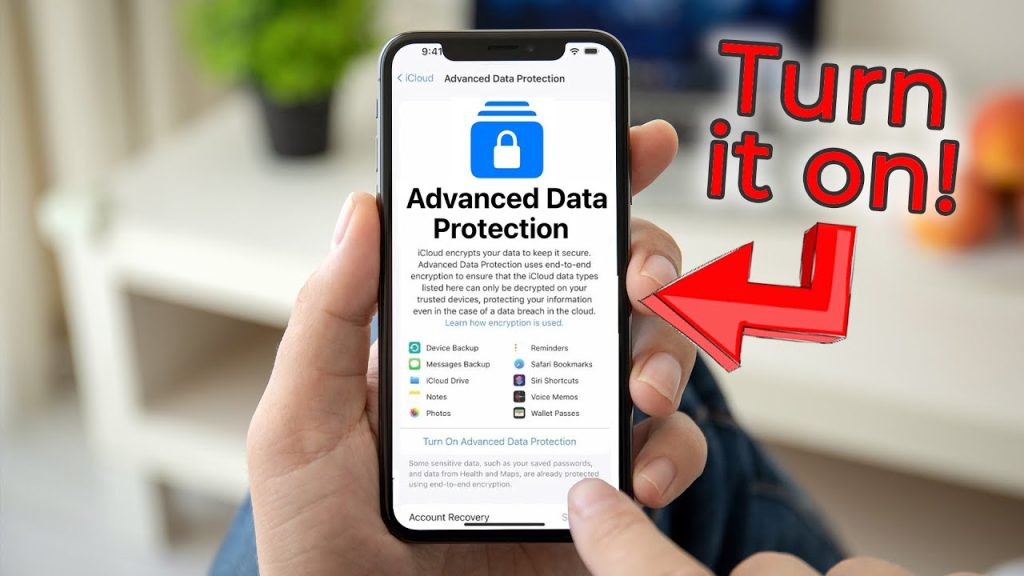
In addition, educating yourself and your team on best practices for maintaining data security is paramount. Regular training sessions can help users recognize phishing attempts and understand the importance of strong, unique passwords. Implementing data encryption for sensitive information can further shield data from unauthorized access, ensuring that, even if data is intercepted, it remains unreadable without the proper decryption keys.
In conclusion, while cloud storage services offer dynamic advantages for data management, they come with associated risks that necessitate a proactive approach to security. By understanding these threats and employing robust protective measures, individuals and businesses can enjoy the benefits of cloud technology without falling prey to its potential pitfalls.
DISCOVER MORE: Click here to dive deeper
Recognizing the Importance of Security in Cloud Storage
As cloud storage becomes the go-to solution for storing and accessing data, understanding the security measures to protect this information cannot be overstated. With the convenience of having files available at your fingertips also comes the responsibility of ensuring that sensitive data remains intact and secure. Cloud storage services often boast advanced security features; however, users must also adopt best practices to enhance their protection. Here are some essential strategies that can significantly bolster your data security:
- Implement Strong Passwords: A reliable password is your first line of defense. Use complex passwords that are at least 12 characters long, incorporating a mix of uppercase and lowercase letters, numbers, and special symbols. Avoid using easily guessed information such as birthdays or common words.
- Enable Two-Factor Authentication: As mentioned previously, two-factor authentication (2FA) is a crucial security tool. By requiring a second form of authentication—such as a text message code or an authentication app—you create an added barrier that prevents unauthorized access even if your password is compromised.
- Utilize File Encryption: Encrypting files before uploading them to the cloud adds an important layer of security. Even if outsiders manage to breach your storage, encrypted data will remain inaccessible without the proper decryption keys.
- Regularly Update Software: Keeping your applications and devices updated is essential. Many updates address security vulnerabilities that could otherwise be exploited by cybercriminals. Enable automatic updates whenever possible to stay protected seamlessly.
- Conduct Regular Backups: To further mitigate the risk of data loss, establish a routine for backing up your files. Use multiple storage methods, such as external hard drives or another cloud service, to create redundancy in your data storage.
- Educate and Train Employees: For businesses, ensuring all employees are aware of security protocols is critical. Regular training sessions on identifying phishing scams or handling sensitive data can empower individuals to be the first line of defense against security threats.
By integrating these strategies into your cloud storage routine, you can significantly enhance the security of your valuable data. However, security is not a one-time task; it requires ongoing vigilance and adaptation in response to emerging threats. Awareness of potential risks and actively implementing protective measures will help you navigate the complexities of cloud storage securely.
This proactive approach not only minimizes exposure to cyber threats but also fosters a culture of security awareness within your organization. Emphasizing the importance of data protection can transform your team into vigilant protectors of sensitive information, contributing to the overall integrity and safety of your cloud-based assets.
Essential Practices for Securing Your Data
In our increasingly digital landscape, cloud storage services offer an unparalleled convenience for storing and accessing data. However, ensuring the security of this data remains paramount. Here are some security tips to enhance your protection while using cloud storage services:
| Security Measure | Description |
|---|---|
| Strong Passwords | Utilize complex passwords that include uppercase and lowercase letters, numbers, and symbols to prevent unauthorized access. |
| Two-Factor Authentication (2FA) | Enabling 2FA adds an additional layer of security by requiring not only a password but also a second method of verification. |
| Encryption | Ensure that files are encrypted both during transmission and while at rest, making it difficult for cybercriminals to access sensitive data. |
| Regular Updates | Keep your software and applications updated to patch any vulnerabilities and safeguard against known threats. |
| Data Backup | Regularly back up data in multiple locations to recover easily from any unexpected breaches or data losses. |
Each of these practices is crucial in building a robust shield around your data stored in the cloud. Remember, while cloud services can offer remarkable utility and accessibility, safeguarding your information is ultimately your responsibility. Adopting these security measures will significantly reduce your risk of data breaches and enhance your overall confidence in using cloud storage solutions.
DISCOVER MORE: Click here to dive deeper
Advanced Security Measures for Cloud Storage
In addition to basic recommendations, there are several advanced security measures that can be taken to bolster your data protection when utilizing cloud storage services. As cyber threats continue to evolve, adopting a multi-layered approach to security ensures a more robust defense. Below are some key strategies that can help safeguard your data more effectively:
- Understand Your Cloud Provider’s Security Policies: Not all cloud storage providers are created equal. Take time to evaluate and understand the security features and policies of your chosen service. Familiarize yourself with their compliance with industry standards like the General Data Protection Regulation (GDPR) and the Health Insurance Portability and Accountability Act (HIPAA), especially if you handle sensitive or regulated information.
- Monitor Account Activity: Regularly review your account activity for any unusual access patterns or unauthorized logins. Most cloud storage services provide logs detailing access attempts and file sharing activities. By keeping an eye on this information, you can quickly detect and respond to potential breaches.
- Use Advance Access Controls: Implement granular access controls to restrict who can view or modify your files. By setting permissions based on user roles, you can ensure that sensitive documents are only accessible to those who absolutely need them, minimizing the risk of insider threats.
- Conduct Security Audits: Regular security assessments can illuminate vulnerabilities in your cloud storage practices. Utilize third-party auditing services to evaluate your cloud security posture, which can provide valuable insights and recommendations for improvement.
- Set Up Alerts for Suspicious Activities: Many cloud services offer the ability to set up alerts for specific actions or access patterns. For instance, you can be notified of any login attempts from unfamiliar devices or locations, giving you a prompt warning to change your credentials and investigate the incident.
- Implement Remote Wipe Capabilities: If you use mobile devices to access cloud storage, security risks can increase significantly. Ensure that your cloud storage solution allows for remote wipe capabilities, which would enable you to erase all data on a device should it be lost or stolen.
- Consider Private Cloud Options: For businesses handling particularly sensitive information, a private cloud may provide an extra level of security. Private clouds cater to specific surveillance and compliance requirements that are critical for industries such as finance and healthcare, where data breaches can lead to severe consequences.
The sustained protection of your data requires more than just implementing a few basic strategies. In today’s cloud-centric environment, where data breaches and cyber threats loom large, investing time in advanced security measures is crucial. Engaging in continual security practice reviews and remaining up-to-date on the latest threats will fortify your defenses, ensuring your data remains sheltered from prying eyes and potential compromises. As part of this regimen, encouraging user vigilance and a security-first mindset can dramatically enhance your data’s resilience against threats.
In the fast-moving digital landscape characterized by constant change, staying ahead of security challenges is paramount. By prioritizing strong security protocols and fostering open conversations about safety within your organization, you can mitigate risks while maximizing the benefits cloud storage offers. Explore the depth and breadth of security strategies available to find the mix that works best for you and your particular circumstances.
DISCOVER MORE: Click here for additional insights
Conclusion
In an era where data is considered one of the most valuable assets, taking proactive security measures when using cloud storage services is indispensable. As outlined throughout this article, understanding your cloud provider’s security policies is the first step toward defending your valuable information. By being vigilant about your account activity and implementing advanced access controls, you can greatly reduce potential risks associated with unauthorized access.
Moreover, regular security audits can unveil vulnerabilities that may not be immediately apparent, allowing for timely interventions. Setting up alerts for suspicious activities is another essential layer of protection that enables you to act quickly in responding to threats. Don’t overlook the importance of remote wipe capabilities, especially in our mobile-centric world, where devices can be lost or stolen, increasing exposure to sensitive data.
For organizations engaged in handling particularly sensitive information, considering private cloud options may offer an elevated level of security tailored to stringent compliance requirements. By prioritizing a security-first mindset within your organization, you are not just protecting your data; you are fostering a culture of safety and awareness that extends beyond the digital realm.
As the digital landscape continually evolves, it is crucial to stay informed about emerging security threats and the personal data protection measures that can help mitigate them. Adopting a multi-layered security approach will not only fortify your cloud data but also empower you to harness the full potential of cloud storage services without compromising on safety. Ultimately, the key to effective data protection lies in your ability to adapt and implement comprehensive security strategies tailored to your specific needs.