
The Importance of Digital Security in Creative Endeavors
In the ever-evolving digital landscape, individuals engaged in creative pursuits, particularly those utilizing photo editing apps, must prioritize the security of their work. Each day, headlines emerge detailing cyber threats and data breaches that have imperiled countless artists and amateur photographers, underlining the urgent necessity for robust protective measures. It may be tempting to skirt around security protocols, however, doing so places artistic creations—and personal privacy—at significant risk.
Why is the issue of security particularly pressing? Consider the implications of neglect:
- Personal Loss: Your cherished photos and unique projects can be lost or altered permanently in a data breach, depriving you of years of irreplaceable memories and hard work.
- Identity Theft: If your account is compromised, sensitive personal information may fall into the wrong hands, leading to financial loss and a drawn-out recovery process.
- Creative Theft: Your original work can be easily exploited by others, who may use or alter your creations without your consent, diminishing your artistic integrity and potential market value.
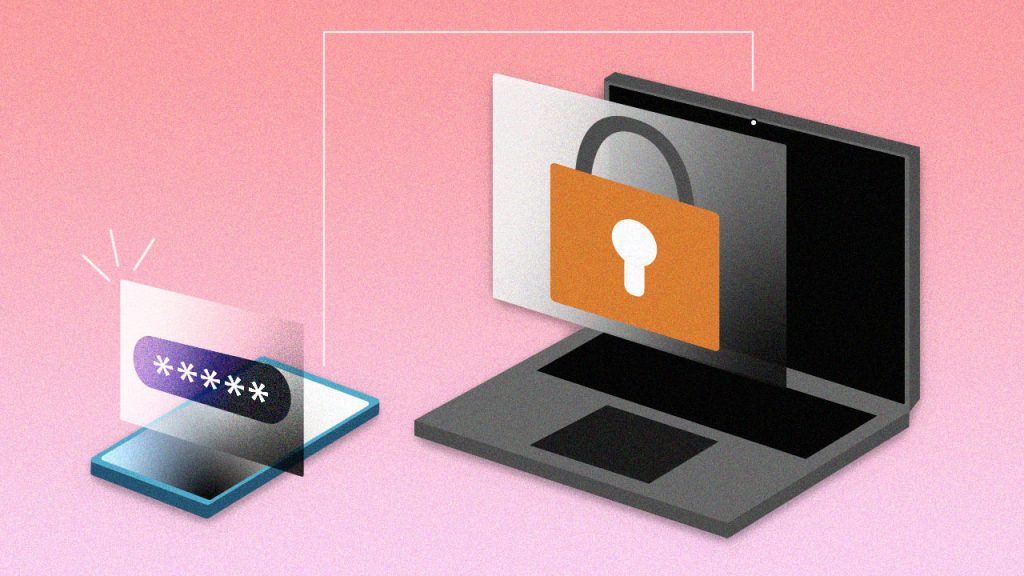
To navigate these threats, integrating basic security measures such as strong passwords and two-factor authentication (2FA) is an effective way to shield your work from potential breaches. A robust password should be complex, mixing letters, numbers, and special characters, and not easily guessable based on personal information. Additionally, enabling 2FA adds an extra layer of security by requiring another form of verification—such as a code sent to your mobile device—thereby making unauthorized access significantly more difficult.
As you delve into this essential topic, prepare to uncover:
- Guidelines for creating a strong password, including common pitfalls to avoid.
- The key benefits of enabling 2FA and how it acts as a formidable barrier against hacking attempts.
- Advice on selecting photo editing apps that emphasize user security and privacy.
By proactively understanding and implementing these protective measures, you can safeguard your digital creativity from external threats. Throughout the upcoming sections, we will walk you through the vital steps and strategies necessary to fortify your photo editing applications effectively, empowering you to focus solely on what you do best—creating and sharing your art.
DISCOVER MORE: Click here for further insights
Creating Strong Passwords: Your First Line of Defense
When it comes to protecting your photo editing apps, the foundation of your security begins with the password you choose. A strong password isn’t merely a combination of your name or birthdate. Instead, it should be a unique string that blends various elements making it difficult for hackers to guess or crack. Here are some essential guidelines to help you create a robust password:
- Length Matters: Aim for a minimum of 12 characters. Longer passwords offer greater protection against brute-force attacks.
- Mix It Up: Use uppercase letters, lowercase letters, numbers, and special characters. The greater the variation, the harder it is to decipher.
- Avoid Common Words: Stay away from obvious choices like dictionary words, alphabetical sequences (like “abcd”), or easily obtainable personal information.
- Use Passphrases: Consider a memorable phrase and modify it with numbers and symbols. For example, “I love to edit photos in 2023!” could become “ILuv2Edit@2023!”
- Unique Passwords for Each App: Never reuse passwords across different platforms. This practice ensures that if one password is compromised, your other accounts remain safe.
Implementing these simple yet effective steps will significantly enhance the strength of your passwords and safeguard your digital portfolio. Yet, even the strongest of passwords can sometimes be compromised, which paves the way for the next layer of defense.
Unlocking Two-Factor Authentication (2FA)
To further bolster the security of your photo editing apps, enabling two-factor authentication (2FA) is crucial. This additional layer requires not only your password but also a second form of verification—making it far more difficult for unauthorized users to gain access. The benefits of activating 2FA are compelling:
- Enhanced Security: Even if a hacker obtains your password, they would still need access to the second factor, such as a text message, email, or authentication app.
- Flexibility: Many platforms offer various methods for 2FA, allowing you to choose one that works best for your workflow. This can include SMS codes, authentication apps like Google Authenticator, or biometric verification like fingerprint scans.
- Peace of Mind: Knowing that you’ve taken proactive steps to secure your creative work allows you to focus more on honing your skills rather than fearing potential breaches.
Incorporating 2FA is often a simple process. Generally, it can be activated in the app’s settings menu under “Security” or “Privacy.” Be sure to follow the instructions provided for your specific photo editing app, and consider jotting down recovery codes in a safe place to manage access in case the second factor is lost.
By reinforcing your password strategy and enabling two-factor authentication, you can take significant strides in protecting your photo editing applications. The realm of digital creativity is vibrant and dynamic; however, without the right protective measures, your artistic endeavors may be vulnerable to unwarranted interference. In the following sections, we will delve deeper into further strategies to secure your creative workspace, ensuring your focus remains on bringing your vision to life.
Understanding the Importance of Passwords and Two-Factor Authentication
In today’s digital landscape, the protection of your creative assets has never been more paramount. Photo editing apps often contain sensitive materials, from personal photographs to proprietary designs. Utilizing passwords offers a first line of defense in keeping your projects secure from unauthorized access. A strong password incorporates a mix of letters, numbers, and symbols, making it difficult to guess or crack. Yet, relying solely on a password is not sufficient. This is where two-factor authentication (2FA) becomes essential. With 2FA enabled, even if a malicious user manages to obtain your password, they will still require a second form of verification—typically a code sent to your mobile device or generated by an app—to access your account. This additional layer of security is invaluable, significantly reducing the risk of unauthorized entry.Imagine you’re editing a compelling new project, and suddenly, your app is hijacked; your work could vanish in an instant. By implementing robust password protocols and enabling two-factor authentication, you not only protect your data but also ensure peace of mind, allowing you to focus on your creative endeavors without distractions. In the world of digital artistry, understanding and practicing these protective measures is key. Let’s dive deeper into the specific steps for setting up these security features effectively in your photo editing applications.
DISCOVER MORE: Click here to delve deeper
Regular Updates: Keeping Your Apps and Devices Secure
While a strong password and two-factor authentication are pivotal, ongoing maintenance and vigilance are equally important for protecting your photo editing apps. One of the simplest yet most effective ways to stay secure is to keep your software updated. Frequent updates from developers often include critical security patches designed to fortify vulnerabilities that may have been discovered since the last version was released. Here are some key points to consider:
- Automatic Updates: Enable automatic updates on both your devices and your photo editing applications. This setting allows for real-time protection against emerging threats without requiring manual intervention.
- Check for Updates Regularly: If you prefer not to automate, regularly check your app and device settings to make sure you’re leveraging the latest security features.
- Be Cautious with Public Wi-Fi: When using public networks, the risk of man-in-the-middle attacks increases. Consider using a Virtual Private Network (VPN) to encrypt your data and hide your online activities.
Moreover, staying informed about current cybersecurity trends can equip you with the knowledge needed to safeguard your assets. For example, subscribe to tech blogs or follow security forums that discuss the latest vulnerabilities in popular photo editing applications. Knowledge is power, and staying informed enables you to respond promptly to potential risks.
Backing Up Your Creative Work
As a photo editor, losing your edited images can be not only frustrating but also detrimental to your creative journey. Regularly backing up your projects not only serves as a protective measure against data loss but also ensures that even if your apps are compromised, your work remains intact. Here are several methods to consider for effective backup:
- Cloud Storage Solutions: Utilize well-known cloud storage platforms like Google Drive, Dropbox, or Adobe Creative Cloud to store your projects. These services often come with built-in encryption and security measures.
- External Hard Drives: Investing in an external hard drive allows for offline backups that are immune to online threats. Regularly transfer your files to ensure that your most recent edits are always safe.
- Version Control: For extensive projects, consider using version control systems such as Git. This approach not only serves as a backup but lets you revert to previous versions if changes need to be undone.
Establishing a routine for backing up your data not only preserves your creative work but creates peace of mind, allowing you to focus on the artistry of photo editing without the constant fear of loss or compromise.
Stay Vigilant Against Phishing Attempts
As cyber threats evolve, especially tailored phishing attempts pose significant risks for creatives who rely on digital platforms. Being able to recognize and respond to these threats is crucial for maintaining your security. Phishing scams often come disguised as legitimate messages or alerts regarding your accounts. Here are some strategies to help you stay vigilant:
- Be Skeptical of Unknown Emails: If you receive communication from seemingly reputable sources asking for personal information, exercise caution. Verify the sender’s email address before clicking on any links or downloading attachments.
- Check URLs Carefully: Ensure that the URLs in emails directing you to login pages are official and correctly spelled. Malicious sites can look nearly identical to legitimate ones but may place your credentials at risk.
- Use Anti-Phishing Tools: Many modern web browsers come equipped with built-in phishing protection. Consider enhancing this with browser extensions designed specifically to identify and block phishing attempts.
The more proactive you are in recognizing and responding to potential threats, the better equipped you will be to protect your photo editing applications and, ultimately, your creative work.
DISCOVER MORE: Click here to dive deeper
Conclusion: Safeguarding Your Creative Assets
In an age where digital creativity meets online vulnerability, understanding how to protect your photo editing apps is crucial. Implementing strong passwords and enabling two-factor authentication are foundational steps that ensure your applications are fortified against unauthorized access. Nevertheless, the responsibility to safeguard your creative work extends beyond just these measures.
Regularly updating your applications keeps them fortified against emerging security threats, while backing up your projects guarantees that your hard work remains intact even in dire situations. Harnessing the power of cloud storage and external hard drives can provide peace of mind, allowing you to focus on your creativity instead of the looming threat of data loss.
Moreover, being vigilant against phishing attempts and understanding the landscape of current cybersecurity threats can empower you as a user. By educating yourself through tech blogs and forums, you cultivate an awareness that may prevent potential phishing scams or malicious attacks from compromising your apps.
Protecting your photo editing apps is not merely an act of precaution; it is an integral part of sustaining your creative journey. By remaining proactive and knowledgeable, you can ensure that your artistic endeavors continue to thrive securely in the digital realm. Embrace these practices today, and keep your creative visions secured for tomorrow.
Related posts:
Security in Photo Editing Apps: Keep Your Images and Data Safe
Protecting Your Language Learning Apps: Ensuring User Privacy and Security
Safety Tips for Daily Productivity Apps: Maximize Your Efficiency Without Compromising Your Privacy
How to Protect Your Apps to Save Money: Essential Security Tips
How to Ensure the Security of Daily Productivity Apps and Maximize Their Efficiency
The Importance of Security in Fitness Apps: Protecting Your Health Data

Beatriz Johnson is a seasoned digital lifestyle strategist and green tech writer with a passion for demystifying sustainable technology and eco-conscious living. With over a decade of experience at the intersection of innovation and sustainability, she specializes in topics like smart home solutions, renewable tech applications, and global trends in green digitalization. Through her work on our platform, Beatriz empowers readers to make informed choices about adopting planet-friendly technologies while optimizing their digital lives for both efficiency and environmental impact.