
The Digital Renaissance in Photography
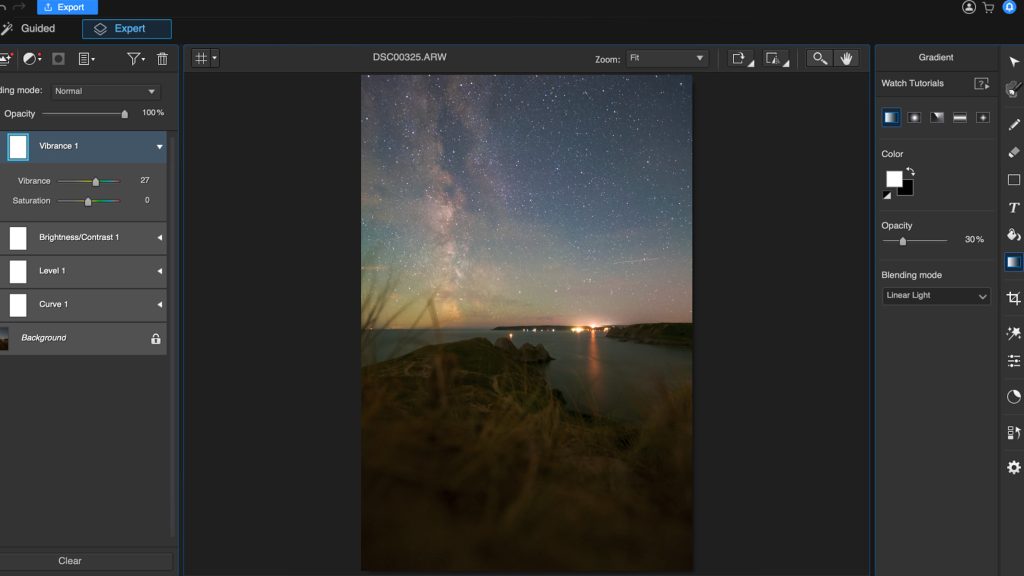
In the contemporary digital landscape, the art of photography has transcended traditional methods, embracing innovative technologies that redefine how images are captured, edited, and shared. Users today expect far beyond rudimentary editing tools; they look for applications that offer an engaging and transformative editing experience. Photo editing applications have risen to the occasion with strikingly innovative interfaces that not only elevate functionality but also stimulate creativity effectively.
These advancements have profound implications in the realm of photography. Let’s delve into some of the pivotal features driving this evolution:
- Intuitive Design: The backbone of user-friendly layouts is simplicity. Applications like Adobe Lightroom and Snapseed employ clear navigation paths that guide users seamlessly through editing processes, making it easier for both novices and seasoned professionals to enhance their work without intimidation.
- Real-Time Editing: Immediate feedback is a game-changing feature. Users can see changes as they make them, which not only streamlines the editing process but also fosters experimentation. Tools like Affinity Photo showcase this capability, providing artists the freedom to iterate without the fear of permanent loss.
- AI Integration: The incorporation of artificial intelligence is revolutionizing traditional editing techniques. With features such as automatic background removal and intelligent enhancements, apps like Luminar AI save users considerable time and effort while producing professional-quality results. This technology is especially beneficial for busy content creators aiming to optimize their workflows.
- Personalization: Recognizing that each user is unique, applications increasingly offer customizable interfaces that cater to individual preferences. Programs like Corel PaintShop Pro allow users to adjust tool layouts and color schemes, thus creating a personalized editing environment that aligns with their workflow and aesthetic vision.
As photo-editing applications continue to grow in sophistication, user satisfaction is becoming a linchpin for success. Developers who prioritize creating an immersive, seamless experience are frequently rewarded with a loyal user base and high engagement rates. The right interface can significantly enhance the creative potential of a photographer, enabling them to focus on their artistic vision rather than cumbersome logistics.
Surveying the current trends in user interface innovation reveals a compelling landscape where developers are not just responding to user challenges but actively predicting them. As technology evolves, so too does the expectation for photo editing apps to serve as sophisticated tools that bring technical capabilities in line with creative expression.
This exploration into transformative technologies not only shapes the way users interact with photo editing software but also opens fresh avenues for creativity. As users embrace these advancements, photography becomes more than just a medium of expression; it becomes a dynamic digital canvas, inviting exploration and innovation at every turn.
DISCOVER MORE: Click here for more insights
Revolutionizing the Editing Workflow
As the demand for photo editing apps continues to surge, innovation in user interfaces is becoming a decisive factor in attracting and retaining users. The primary goal of these developments is to improve user experience—making photo editing not only more intuitive but also more enjoyable. In a world where content is constantly being created and shared, editing applications are stepping up to provide features that enhance the digital workflow for both amateurs and professionals alike.
One of the most notable trends in improving user experience is the focus on minimalist design. Applications like Canva and PicsArt exemplify this trend, offering visual clarity without overwhelming users with too many options at once. By prioritizing essential functionalities and employing an aesthetic that minimizes distraction, these apps create an environment conducive to creativity. This is particularly significant in a fast-paced world where users often have limited time for edits. By streamlining the interface, these applications allow users to make quick yet impactful changes.
Another pivotal feature in the innovative interfaces of photo editing apps is the introduction of gesture controls. As touch-screen technology continues to dominate, apps like Adobe Photoshop Express take full advantage by enabling users to perform edits using simple swipes and pinches. This tactile approach feels organic, as it mimics natural interactions, allowing users to concentrate on their artistry without the need to maneuver through complex menus. Users are not only more engaged, but they also tend to discover new editing capabilities in a playful manner, making exploration a core aspect of the editing process.
Moreover, the trend towards collaborative editing offers a thrilling shift in how users interact with their photos. Apps like Figma and Adobe Creative Cloud enable multiple users to engage with a single project in real time. This is particularly appealing to teams working on marketing campaigns or social media promotions, as it fosters a sense of community and shared creativity. The ability to edit and comment simultaneously elevates the user experience, turning isolated editing tasks into a connected, collaborative process.
- Flexibility of Use: Users appreciate applications that allow editing on various platforms—whether on a desktop or mobile device. This flexibility ensures that creativity can happen anytime, anywhere, aligning with the increasingly mobile lifestyle of today’s creators.
- Advanced Tutorials: Many apps now integrate tutorial features that guide users through complex edits step-by-step. This educational approach not only aids beginners but also serves as a resource for advanced users to refine their skills.
- Community Engagement: Platforms that incorporate a social aspect encourage users to share their edits or seek feedback, resulting in enhanced user satisfaction and continuous improvement.
As these layers of innovation are added, one pivotal question emerges: how will these changes translate into a sustainable user experience? The reliance on sophisticated user interfaces not only reflects a response to existing needs but also anticipates future demands, ensuring that photo editing applications remain relevant in an ever-evolving digital landscape.
| Usability | Innovative Features |
|---|---|
| Intuitive Navigation | Streamlined interfaces that enhance productivity. |
| Touch Gestures | User-friendly controls for enhanced editing precision. |
| Preview Options | Real-time feedback on edits boosts confidence in creative decisions. |
| Accessibility Features | Inclusive designs cater to a diverse user base. |
When it comes to improving user experience, the emphasis on usability cannot be overstated. Intuitive navigation systems in photo editing apps significantly enhance workflow efficiency, allowing users to locate tools quickly. Innovative features such as touch gestures provide a more tactile editing experience, where swipes and taps replace traditional clicks, making adjustments seamless.Moreover, high-quality preview options enable users to see their edits in real-time, thus fostering a more confident editing process. Integrating accessibility features is also crucial, ensuring that individuals of all abilities have access to powerful editing tools. Engaging designs that account for various user needs not only improve overall satisfaction but also expand the potential user base, creating a more inclusive digital landscape.
DIVE DEEPER: Click here to learn more
Personalization and AI Integration
The digital landscape is shifting towards personalization, and photo editing apps are no exception. The integration of artificial intelligence (AI) to enhance user experience represents a groundbreaking approach that tailors functionalities to individual needs. By utilizing machine learning algorithms, apps like Luminar AI and Adobe Sensei can analyze a user’s editing style and preferences, automatically suggesting filters, adjustments, or compositions that align with their unique artistic vision. This not only enhances efficiency but also encourages users to explore creative avenues they might not have considered.
The capacity of AI to offer real-time suggestions aids users in achieving desired outcomes more intuitively. For instance, auto-enhancement tools allow a user to achieve professional-looking results with minimal effort, presenting a significant advantage for novice editors who may feel overwhelmed by the technical aspects of photo manipulation. As these AI-driven features evolve, their accuracy and reliability will likely improve, potentially revolutionizing the way users engage with photo editing.
Moreover, opportunities for customizable interfaces are reshaping user experiences. Many applications now allow users to personalize tool layouts and access frequently used features more readily. For example, a professional photographer might wish to prioritize advanced editing options such as layer management and color grading, while hobbyists might prefer simplistic filters and quick touch-up capabilities. This customization fosters an inclusive environment, enabling users from different skill levels to modify their workspace, enhancing their comfort and efficiency. This level of adaptability in UI ensures that each user feels empowered, which is crucial in a competitive app market.
Augmented Reality Features
Furthermore, the emergence of augmented reality (AR) features within photo editing apps introduces an interactive layer to editing workflows. Applications like Snapseed have begun experimenting with AR filters that allow users to see how effects will change their photos in real time. This immediate feedback mechanism enhances decision-making and deepens user engagement. By allowing creators to visualize their edits as they go, AR reduces the frustration of trial and error. As technology progresses, user interfaces that seamlessly incorporate AR capabilities will likely become a staple within these applications.
Additionally, user-centric feedback loops have gained traction as developers actively solicit user input to refine app functionalities. Features such as in-app surveys and feedback buttons enable users to share their experiences and suggest improvements. Brands like Pixlr have cultivated vibrant user communities surrounding their products, facilitating direct communication between creators and developers. This interaction can lead to rapid iterations in design, ensuring that the app not only meets current user demands but evolves in alignment with their preferences.
- Accessibility Options: Innovative interfaces must also consider accessibility features, such as voice commands or high-contrast modes, ensuring that photo editing is inclusive for users with various needs.
- Interactive Learning: Some apps are now gamifying the learning process, incorporating challenges and rewards to motivate users to explore their interface more deeply.
- Offline Editing: With many users working on-the-go, providing robust offline editing capabilities can enhance user experience remarkably, allowing for creativity without constant internet access.
The potential for innovation in photo editing app interfaces is boundless. By focusing on personalization, AI integration, and other emerging technologies, developers are not just improving user experience—they are reimagining the creative process entirely.
DISCOVER MORE: Click here for more insights
Conclusion
As we venture further into the digital age, the landscape of photo editing apps continues to evolve dramatically, significantly enhancing user experience through innovative interfaces. The blend of artificial intelligence and augmented reality not only streamlines workflows but also democratizes the editing process, making it accessible for both novices and seasoned professionals alike. By harnessing the power of AI, apps can deliver personalized tools and real-time suggestions, allowing users to tap into their creativity with minimal frustration. The rise of customizable interfaces only adds to this sense of empowerment, enabling users to shape their editing environment to match their unique workflows.
Moreover, the shift towards user-centric feedback loops signifies a crucial development in app evolution. By actively engaging users in the design process, developers are ensuring that photo editing apps not only meet current demands but adapt in real-time to address emerging needs. Incorporating accessibility options and gamified learning experiences reflects a broader commitment to inclusivity and user satisfaction, paving the way for a more interactive and enjoyable editing journey.
Ultimately, the trajectory of photo editing apps shows no sign of slowing down. As technology advances, the potential for further innovation is boundless, opening doors to an exciting future where the user experience is at the forefront of design. Photo editing apps are not merely tools but gateways to creative expression, inviting users to explore and refine their visions like never before. As these developments unfold, staying informed and engaged with user feedback will remain essential for the continued improvement of these powerful creative platforms.
Related posts:
The Importance of the Interface in Language Learning Apps: How Usability Can Facilitate the Learning...
Design of User Interfaces in Productivity Apps: What Makes a Fitness App Efficient
Best Practices for Optimizing User Interfaces in Responsive Websites
Best Practices for User Interface Design in Mobile Applications
Interface Design: The Impact of Fitness Applications on User Motivation
How Friendly Interfaces in Language Learning Apps Can Increase Retention

Beatriz Johnson is a seasoned digital lifestyle strategist and green tech writer with a passion for demystifying sustainable technology and eco-conscious living. With over a decade of experience at the intersection of innovation and sustainability, she specializes in topics like smart home solutions, renewable tech applications, and global trends in green digitalization. Through her work on our platform, Beatriz empowers readers to make informed choices about adopting planet-friendly technologies while optimizing their digital lives for both efficiency and environmental impact.