
The Rise of Fitness Apps and the Importance of Interface Design
In today’s fast-paced world, fitness apps have emerged as vital tools in promoting health and wellness. Users are now seeking more than just activity trackers; they want engaging experiences that seamlessly integrate into their daily routines. The effectiveness of these apps often hinges on one key element: interface design. A well-designed interface not only enhances user engagement but also plays a crucial role in the journey toward a healthier lifestyle.
An intuitive interface can significantly influence user engagement. For instance, users are more likely to return to an app that offers a friendly, accessible, and engaging layout as opposed to one that feels cluttered or difficult to navigate. Here are several crucial aspects that enhance interaction:
- User-Centric Design: Interfaces should be tailored to the needs and preferences of the target audience. For example, a fitness app aimed at seniors might favor larger text and simplified navigation options, whereas a app for young athletes might prioritize performance tracking features and social sharing capabilities.
- Visual Appeal: Aesthetic designs can motivate users to explore and utilize features. Bright colors, easy-to-read fonts, and dynamic graphics can capture the user’s attention. For example, a popular app like MyFitnessPal uses a vibrant color scheme and engaging visuals to enhance the user’s experience.
- Accessibility: Ensuring functionality for all users, including those with disabilities, expands the app’s reach. This might include voice-guided commands, text-to-speech options, and easy-to-use interfaces that accommodate various needs.
The right design choices can promote healthier behaviors and maximize user retention. For instance, integrating features such as:
- Gamification: Incorporating achievements and rewards to motivate users is a proven method for increasing engagement. Applications like Fitbit reward users with badges for completing challenges or maintaining streaks in their fitness routines.
- Social Features: Allowing users to connect with friends fosters accountability and motivation. Platforms like Strava allow users to share their activities, create challenges with friends, and even comment on each other’s progress, enhancing community involvement.
- Personalization: Tailored workouts and nutrition plans enhance user satisfaction. Apps like Noom and Freeletics build custom programs based on personal goals, fitness levels, and preferences, making workouts feel more relevant and achievable.
The current surge in fitness app popularity reaffirms the significance of smart interface design. As technological advancements continue to shape the health and wellness industry, understanding the nuances of interface design will become even more critical. It is this recognition that can transform user experiences, leading to healthier lifestyles and improved overall well-being. With user expectations ever-evolving, creators must prioritize thoughtful design and functionality—this could very well be the difference between a fleeting app and one that sticks with users for the long haul.
DISCOVER MORE: Click here for additional insights
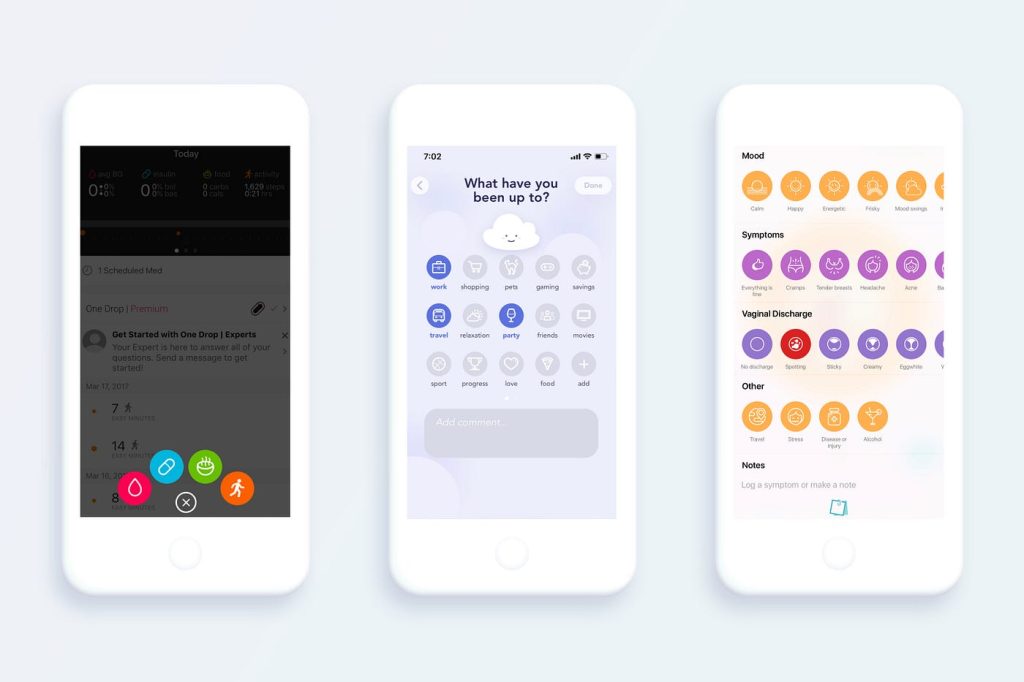
Key Elements of Effective Fitness App Interface Design
The success of fitness apps is intricately tied to their interface design. A user-friendly interface can mean the difference between a customer’s continued engagement and abandonment of the app altogether. Innovation in fitness technology is ceaseless, yet without a compelling interface, even the most advanced functionalities may go underutilized. Understanding the fundamental components of effective interface design can help developers craft engaging applications that encourage users to stay committed to their health journeys.
User-Centric Approaches
At the heart of effective fitness app design lies the principle of user-centricity. Designers must deeply understand their target demographic to create optimal user experiences. This includes assessing the demographics of potential users, such as age, fitness levels, and familiarity with technology. For instance, a fitness app targeting busy professionals may prioritize quick logging features, while one intended for beginners might emphasize easy-to-follow tutorials or guided workouts. By tailoring interfaces to the unique needs of various user groups, app creators can foster a sense of belonging and motivation, thereby increasing user loyalty.
Vibrant Visual Elements
The visual aspects of an app play a crucial role in attracting and retaining users. An eye-catching color palette, combined with visually appealing graphics, can encourage users to explore an app. For example, popular fitness platforms like Nike Training Club employ an energetic design that incorporates vibrant imagery and modern typography, creating an inviting environment that resonates well with health-conscious individuals. Moreover, studies show that bright colors and engaging icons can significantly enhance user interaction, leading to increased frequency in app usage.
Accessibility for All Users
Designing with accessibility in mind is not only a moral obligation but also a strategic advantage. Fitness apps should be equipped to accommodate users with diverse needs, including those with disabilities. Incorporating features such as voice commands, adjustable text sizes, and color-contrast settings can make a significant difference. For example, apps that provide audio cues for visually impaired individuals or text-to-speech capabilities create an inclusive experience that broadens the user base and emphasizes equal access to health resources.
Integrating Motivational Features
To enhance user engagement, fitness apps often incorporate motivational features designed to keep users coming back. Key elements include:
- Gamification: Features like progress tracking, achievement badges, and fitness challenges can inspire users to stay dedicated to their fitness goals. This approach not only garners enthusiasm but also fosters a sense of competition and achievement.
- Social Connectivity: Allowing users to connect with friends or join fitness communities can create a support network, making the pursuit of health feel less daunting. Platforms that enable users to share accomplishments or compete in challenges can significantly enhance motivation.
- Personalized Experience: Tailoring workouts and nutrition plans based on individual goals can heighten user satisfaction. Apps that generate customized plans—like MyFitnessPal and Lose It!—often see higher retention rates as users feel their needs are being met.
As the fitness app market continues to grow, a renewed focus on interface design will be essential. By prioritizing user needs and integrating engaging elements, developers can create services that not only attract new users but also maintain their loyalty over time. It is this combination of thoughtful design and innovative functionality that will lead to significant improvements in health and wellness among users.
Interface Design Strategies for Fitness Apps
Building engaging experiences in fitness apps largely hinges on effective interface design strategies. The core objective is to produce intuitive layouts that resonate with users, enhancing their journey toward health and wellness.
User-Centric Design
A user-centric approach is fundamental when crafting fitness applications. By incorporating user feedback, developers can identify and prioritize features that genuinely matter to health seekers. A seamless onboarding process aids in keeping users engaged, as it sets the tone for their workout experience. Furthermore, personalization serves as a critical factor; adapting to individual fitness goals and preferences increases motivation and fosters a lasting connection to the app.
Visual Hierarchy and Clarity
Implementing a well-structured visual hierarchy allows users to navigate through their fitness journey instinctively. Clear typography and striking graphics not only maintain user interest but also convey important information effectively. Utilizing color contrast enhances readability, making it easier for users to track their progress or understand workout regimens at a glance. This clarity in design directly influences user satisfaction and app adherence.
Engagement through Gamification
Gamification is another pivotal strategy to captivate and retain users in fitness apps. By incorporating elements like challenges, rewards, and leaderboards, developers create a competitive yet enjoyable atmosphere. This approach motivates users to achieve their health outcomes while driving continued interaction with the app. Besides motivation, it fosters a sense of community, where users can share their experiences and encourage one another.
Integration of Health Data
Lastly, integrating health data from wearables enhances the user experience considerably. By delivering real-time feedback on performance and health metrics, users are empowered to make better decisions regarding their fitness routines. This feature transforms the app into a more dynamic tool, crucial for those dedicated to achieving optimum health.
Conclusion
Incorporating these strategies into interface design is essential for creating engaging fitness apps. By focusing on user-centric design, clarity, gamification, and health data integration, developers can craft experiences that genuinely resonate with users, driving them toward their health goals.
| Advantage | Description |
|---|---|
| Enhanced User Engagement | Intuitive layouts and personalized experiences keep users coming back. |
| Increased Motivation | Gamification elements foster a competitive environment that encourages users. |
| Real-time Feedback | Integration of health data enables users to track their progress effectively. |
| Improved User Satisfaction | Clear visual hierarchy helps users understand complex information quickly. |
DISCOVER MORE: Click here to delve deeper
Fostering Community and Interaction
In the realm of fitness apps, community engagement can be a game-changer that fosters a sense of belonging and encourages users to stick with their health goals. Social interaction features allow users to communicate, share achievements, and support one another on their fitness journeys. A good interface design facilitates easy navigation of these social aspects, ensuring that users can effortlessly interact with friends and family. For instance, platforms like Strava have become beloved by users for their emphasis on community-driven challenges and shared experiences, proving that social proof can effectively enhance user motivation and accountability.
Incorporating Educational Content
Another crucial element to consider is the integration of educational content into fitness apps. With users increasingly seeking knowledge about health, nutrition, and exercise, providing informative articles, videos, or tips directly within the app can significantly increase user engagement. Well-designed interfaces ensure that this educational content is readily accessible, complementing the primary functionalities of the app without overwhelming users. For example, apps like Fitbit provide a dashboard that combines fitness tracking with health insights, allowing users to easily navigate between logging activities and learning more about their health metrics, behaviors, and potential areas for improvement.
Real-Time Feedback Mechanisms
Real-time feedback is another pivotal aspect of fitness app interface design. Users increasingly desire instant gratification and immediate insights into their performance. Integrating features such as live heart rate monitoring, calorie tracking, and guided workouts with audio prompts can create an active and engaging experience. Applications like Peloton exemplify this by offering live classes where users receive real-time statistics on their performance metrics compared to others, making workouts feel dynamic and interactive.
Seamless Integration with Wearable Devices
The trend of wearable technology is on the rise, and fitness app designers need to thoughtfully consider the interface when integrating with wearable devices. Compatibility is crucial for maximizing user experience, allowing users to track their activities across platforms. When an app provides a clean interface that aggregates data from various devices—from smartwatches to heart rate monitors—it enhances the user experience by creating a holistic view of their fitness journey. For example, Apple Fitness+ seamlessly works with the Apple Watch, showcasing real-time metrics and workout suggestions tailored to users’ personal history, creating a unified experience that resonates with their fitness goals.
Harnessing User Feedback
Lastly, the incorporation of user feedback into the interface design process is vital for ongoing improvement. Fitness apps can leverage data analytics, in-app surveys, and user ratings to gather insights on what features are working and what needs enhancement. A responsive interface that evolves based on user suggestions not only improves functionality but also instills trust in the brand, as users feel valued and heard. New updates or feature rollouts, informed by this feedback, can keep the app fresh and aligned with users’ evolving needs, thus enhancing both retention rates and user satisfaction.
As the competition in the fitness app market intensifies, focusing on community, education, real-time feedback, and user involvement in design will be crucial. By implementing these strategies in interface design, developers can create truly engaging experiences that resonate with users on their path to health and wellness.
EXPLORE MORE: Click here to dive deeper
Conclusion: The Future of Fitness App Interface Design
As the world increasingly embraces digital solutions for health and wellness, the role of interface design in fitness apps cannot be overstated. A user-centric approach that incorporates community engagement, educational content, real-time feedback, and seamless integration with wearable devices is essential for creating memorable and engaging experiences. By prioritizing these elements, developers have the opportunity to not only attract users but also retain them as committed participants in their health journeys.
The fitness app landscape is rapidly evolving, and users are now more informed than ever. They seek applications that offer a holistic view of their fitness, emphasize connectivity with like-minded individuals, and provide instant access to health metrics. The key takeaway from this exploration is the importance of understanding user needs and preferences. Apps that are designed with empathy, offering a simplistic yet functional interface that addresses these various aspects, are poised to thrive in a competitive market.
As innovations in technology continue to develop, fitness app designers must stay on the cutting edge, utilizing user feedback to adapt and grow. Additionally, incorporating emerging trends such as AI and gamification could further enhance user engagement. In conclusion, the future of fitness app interface design lies in its ability to foster a sense of community, prioritize user education, and provide actionable insights, ultimately empowering users to take control of their health in an informative and enjoyable way.
Related posts:
Best Practices for User Interface Design in Mobile Applications
Unveiling the Best Photo Editing Interfaces in Popular Apps
The Importance of the Interface in Language Learning Apps: How Usability Can Facilitate the Learning...
Intuitive Interfaces: How Language Learning and Fitness Apps Boost Daily Productivity
Best Practices for Optimizing User Interfaces in Responsive Websites
The Evolution of Interfaces in Photo Editing Apps: Trends and Features

Beatriz Johnson is a seasoned digital lifestyle strategist and green tech writer with a passion for demystifying sustainable technology and eco-conscious living. With over a decade of experience at the intersection of innovation and sustainability, she specializes in topics like smart home solutions, renewable tech applications, and global trends in green digitalization. Through her work on our platform, Beatriz empowers readers to make informed choices about adopting planet-friendly technologies while optimizing their digital lives for both efficiency and environmental impact.