
The Impact of Fitness Apps on Wellness Journeys
In today’s fast-paced world, technology has become an integral part of our lives, particularly when it comes to our well-being. The emergence of fitness applications has dramatically transformed how individuals embark on their wellness journeys. Gone are the days when one relied solely on gym memberships or personal trainers; now, millions of users across the United States are utilizing mobile applications to enhance their fitness experiences. These applications are more than just digital logs; they serve as powerful tools that amplify user motivation through effective interface design.
Key Features Driving User Engagement
Successful fitness apps incorporate a range of features that have proven instrumental in keeping users engaged. Some of the most compelling attributes include:
- User-friendly interfaces that simplify navigation, ensuring users can quickly find what they need without frustration.
- Customizable workout plans tailored to individual preferences, allowing users to select levels of intensity, preferred workout types, and specific fitness goals.
- Social sharing options that foster community support, enabling users to share their achievements with friends and receive encouragement, which enhances motivation.
- Progress tracking displays that visualize achievements, giving users tangible evidence of their hard work and inviting them to set new goals.
These features serve not only to enhance usability but also significantly contribute to a user’s overall desire to reach fitness goals. For instance, apps like MyFitnessPal and Strava not only allow tracking meals and exercise but also connect friends within their online communities, creating a sense of camaraderie that is often missing in traditional fitness environments.
The Role of Interface Design in User Experience
Delving deeper into the intricacies of interface design, we find that every element—from color schemes to button placements—can profoundly affect how users interact with the app. A clear and intuitive navigation system reduces barriers to entry, making users feel more inclined to return. Research indicates that well-designed apps can lead to increased user engagement and higher motivation levels. A study by the Nielsen Norman Group highlights that even subtle design tweaks can result in significant behavior changes among fitness app users.
Adapting to User Feedback and Trends
As the fitness app landscape grows increasingly competitive, developers must continually adapt to user feedback and emerging design trends. Features such as gamification—where users earn rewards for achieving milestones—are becoming popular, reinforcing positive behavior while also making the experience more enjoyable. Establishing an app that not only meets users’ functional needs but also provides an immersive and enjoyable experience is crucial for capturing and retaining a loyal user base.
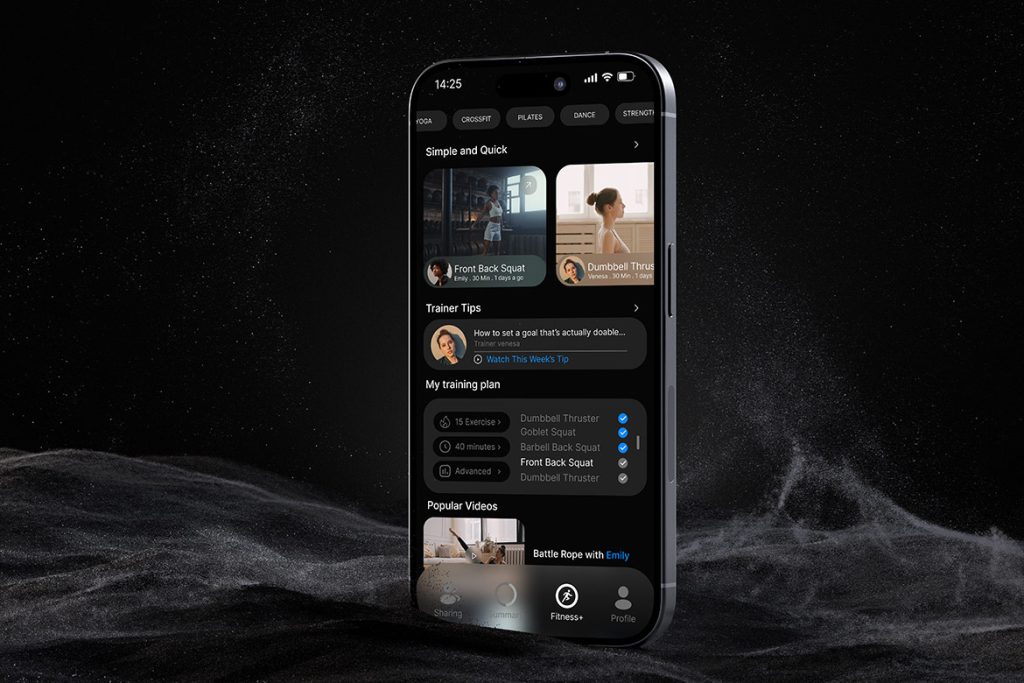
In conclusion, the delicate interplay between effective interface design and user engagement offers fertile ground for exploration for both developers and users aiming to achieve their health objectives. As fitness applications continue to evolve, they promise to remain an essential element in the quest for better health and wellness in our digital age.
DISCOVER MORE: Click here for additional insights
Interface Design: The Heart of User Engagement
At the core of any successful fitness application lies a compelling interface design, which acts as the first point of interaction for users embarking on their wellness journey. An intuitive interface does not just facilitate use; it plays a pivotal role in shaping user motivation and engagement. One study published in the Journal of Medical Internet Research indicated that user satisfaction—closely linked to interface usability—leads to higher app retention rates, directly influencing users’ commitment to their fitness goals.
Visual Appeal and User Connection
The aesthetic aspects of interface design significantly impact user experience. A carefully chosen color palette can evoke emotions and set the tone for the user experience. For instance, bright and vibrant colors often elicit enthusiasm and energy, which may inspire users to work out. In contrast, muted tones can create a calming atmosphere, suitable for meditation or yoga apps. Additionally, the use of attractive graphics, personalized icons, and engaging animations can enhance user interaction and increase the likelihood of app adoption.
Features such as dynamic dashboards present real-time data in an easily digestible format. By offering visual summaries of progress, users can engage with their fitness journey at a glance. This immediate visibility of results plays a crucial role in enhancing user motivation, as it taps into the psychological concept of positive reinforcement. When users can see their accomplishments, whether it’s a completed workout or calories burned, they are more inclined to continue striving towards their goals.
Customization: Empowering Users
Another fundamental aspect of user engagement is the ability to customize the experience. Fitness applications that allow users to personalize their workout routines, integrate dietary preferences, or set unique fitness objectives tend to enjoy higher levels of user satisfaction. When users have the agency to tailor their experience, it fosters a deeper connection with the app, thus enhancing motivation. They feel empowered to take control of their fitness journey, with the app acting as a supportive companion rather than a rigid guide.
- Intuitive navigation that ensures easy access to various features without overwhelming users.
- Personalization options that allow users to choose workouts and set goals based on their fitness levels and preferences.
- Engaging content such as instructional videos or community challenges that keep users actively involved.
Essentially, effective interface design combines functionality with a user-friendly approach, creating a harmonious balance that motivates users to engage consistently. By facilitating a smooth user experience through thoughtful design choices, fitness applications enhance their users’ likelihood to adhere to and succeed in their fitness endeavors.
Interface Design: Enhancing User Experience
In today’s digital landscape, effective interface design plays a pivotal role in motivating users of fitness applications. A well-designed interface does not merely beautify an app; it fundamentally shapes how users interact with it and, consequently, their adherence to fitness goals.
One of the key aspects of successful fitness apps is their ability to offer personalized experiences. By utilizing user data to tailor feedback, notifications, and suggestions, apps create a sense of ownership and responsibility among users. For example, when an app recognizes a user’s workout patterns, it can provide customized recommendations that fit their personal goals. This form of personalization boosts motivation levels substantially, making users feel understood and catered to.
Moreover, visually appealing interfaces with intuitive navigation reduce user frustration, enabling seamless activity tracking. When users can effortlessly log their workouts or dietary habits, their likelihood of continuing these behaviors increases. A recent study indicated that aesthetically pleasing interfaces can enhance user satisfaction by up to 70%, demonstrating a direct correlation between design quality and user engagement.
This is where interface design truly aligns with psychological principles. Motivational psychology suggests that barriers to action can lower the likelihood of engagement. By simplifying the user journey and minimizing complexity, fitness applications encourage more frequent usage. Whether it’s through gamification elements like rewards or leaderboards or by providing motivational quotes, designers can effectively tap into the users’ psychology to encourage persistence and consistency in their fitness journeys.
| Category 1 | Category 2 |
|---|---|
| Interface Design | Enhances user engagement through visually appealing elements. |
| Personalization | Utilizes user data to create customized experiences, boosting motivation. |
By understanding the profound impact of interface design on user motivation, developers can create fitness applications that not only attract users but also encourage them to build and maintain healthy habits over time.
DISCOVER MORE: Click here for additional insights
Gamification: Transforming Workouts into Engaging Challenges
One of the most transformative elements introduced in fitness applications is gamification. This design strategy not only enhances user experience but also significantly boosts motivation by turning fitness goals into exciting challenges. By incorporating game-like elements such as points, badges, leaderboards, and challenges, developers create an environment where users can embrace their competitive spirit and enjoy achievement-oriented tasks.
Reward Systems and User Engagement
Research shows that implementing a reward system within fitness applications encourages users to reach their goals. According to a study by the Journal of Health Communication, users who engage with gamified features report a 34% increase in their exercise frequency. These motivational elements serve to reinforce positive behavior and make the fitness journey more enjoyable. For instance, when users receive a badge for completing a set number of workouts, they experience a sense of accomplishment that drives them to continue pursuing their fitness objectives.
Additionally, social sharing features that allow users to celebrate their milestones with friends and family can further enhance motivation. When achievements are broadcasted on social platforms, users tap into a sense of community that provides external encouragement. This can create a cycle where encouragement leads to continued usage, reinforcing the app’s role in helping users maintain momentum.
Real-Time Feedback and Accountability
Another critical factor influencing motivation is the incorporation of real-time feedback. Many fitness apps provide users with immediate analytics regarding their performance during workouts. For instance, tracking metrics like heart rate, distance covered, or calories burned during a run empowers users to monitor their progress closely. Receiving instant feedback can facilitate a direct connection between effort and results, which can be highly motivating.
Furthermore, features such as reminders and notifications push users to stick to their planned workout schedule. These nudges serve as digital accountability partners, encouraging adherence to fitness routines without users feeling overwhelmed. The consistent engagement with the app, prompted by reminders, leads to habit formation, which is essential for sustained motivation. Incorporating such reminders can result in a 25% increase in the likelihood of users completing their scheduled workouts, as demonstrated by data from multiple fitness surveys.
Community and Support
Creating a sense of community within fitness applications enhances user motivation exponentially. Many successful platforms now include community forums and group challenges that foster social connections among users. According to a joint report by the American Psychological Association and the American Heart Association, social support is a significant predictor of exercise adherence and satisfaction. By allowing users to interact with others who share similar goals, fitness applications cultivate an encouraging environment that empowers users to strive for excellence together.
- Challenge events that let users compete against friends or community members can elevate user engagement.
- Forums and discussion boards that provide a space for sharing tips, struggles, and successes enhance a feeling of belonging.
- Team-based goals create camaraderie and motivate users through collective responsibility and teamwork.
Overall, the intersection of gamification, real-time feedback, and community building in fitness applications creates a robust motivational framework. By harnessing these elements through thoughtful interface design, developers can effectively encourage users to remain committed to their fitness journey, boosting their success rates and satisfaction levels in the process.
DISCOVER MORE: Click here for exciting insights
Conclusion: Redefining User Experiences in Fitness
The rise of fitness applications has fundamentally changed the way individuals interact with their wellness routines, harnessing the power of interface design to create motivating experiences. By integrating gamification elements, real-time feedback, and community support, these applications engage users on multiple levels, addressing not just their physical health but also their emotional and social needs. The compelling combination of rewards, accountability, and collaborative engagement offers a comprehensive framework for motivation that transcends traditional fitness practices.
As the data suggests, utilizing gamified features can lead to significant increases in exercise frequency—up to 34%, as reported by credible studies. Furthermore, the incorporation of social elements fosters accountability and cultivates a sense of belonging, which is crucial for long-term adherence to fitness goals. This evolving landscape emphasizes the importance of tailored interface designs that prioritize user interaction and motivation.
However, as we look to the future, it is crucial for developers and fitness professionals to consider evolving user preferences and behaviors further. Innovation in interface design should continuously adapt to include emerging technologies like virtual reality or artificial intelligence, which can create even more personalized and engaging fitness experiences. As fitness applications become increasingly ubiquitous, their ability to inspire and sustain motivation will ultimately define their success and impact on the health of users nationwide.
In conclusion, the impact of effective interface design in fitness applications is profound, offering a unique perspective on motivation in workout routines. By embracing these strategies, both users and developers can embark on a more empowered journey toward fitness.
Related posts:
How App Interfaces for Economy Facilitate Personal Financial Management
The Evolution of Interfaces in Photo Editing Apps: Trends and Features
Improving the User Experience: App Interfaces for Learning Languages and Saving Money
Improving the User Experience: App Interfaces to Save Money
Unveiling the Best Photo Editing Interfaces in Popular Apps
Intuitive Interfaces: How Language Learning and Fitness Apps Boost Daily Productivity

Beatriz Johnson is a seasoned digital lifestyle strategist and green tech writer with a passion for demystifying sustainable technology and eco-conscious living. With over a decade of experience at the intersection of innovation and sustainability, she specializes in topics like smart home solutions, renewable tech applications, and global trends in green digitalization. Through her work on our platform, Beatriz empowers readers to make informed choices about adopting planet-friendly technologies while optimizing their digital lives for both efficiency and environmental impact.