
Understanding the Landscape of Privacy in Language Learning Apps
In today’s digital age, language learning applications have revolutionized the way people acquire new languages. With the convenience of learning from anywhere, millions of users flock to platforms that promise engaging and effective ways to enhance their language skills. However, this digital transition raises significant concerns over user privacy and security, as personal information may be compromised without adequate safeguards.
The scale at which data breaches occur is alarming. According to recent studies, a considerable number of apps fall victim to cyber-attacks that expose sensitive user details, ranging from personal identification to payment information. For instance, a breach involving a popular language app could leak data of hundreds of thousands of users, causing potential harm not just to individuals but also to the app’s reputation and viability.
One major area of vulnerability lies in inadequate encryption. When data is not encrypted, it is vulnerable to interception by hackers who can easily access it during transmission over networks. For example, consider a situation where a user practices speaking via a language app that transmits voice data without encryption. A malicious actor could intercept and misuse this data, leading to privacy violations.
Another significant concern pertains to third-party sharing. Users often remain unaware of how their data is being handled, especially concerning partnerships with advertisers or other external companies. Transparency is key; users must have access to clear and concise information regarding what their data is used for and who it is shared with. A good illustration of this is an app that monetizes user data by selling aggregated language learning habits to marketing firms without explicit user consent.
Essential Protections for Users and Developers
To navigate these challenges and foster a secure learning environment, both users and developers must prioritize the implementation of robust privacy protections. For instance, end-to-end encryption is vital; it ensures that only the intended recipient can read the messages and access the data exchanged within the app. This measure significantly reduces the risk of unauthorized access, thereby bolstering user confidence.
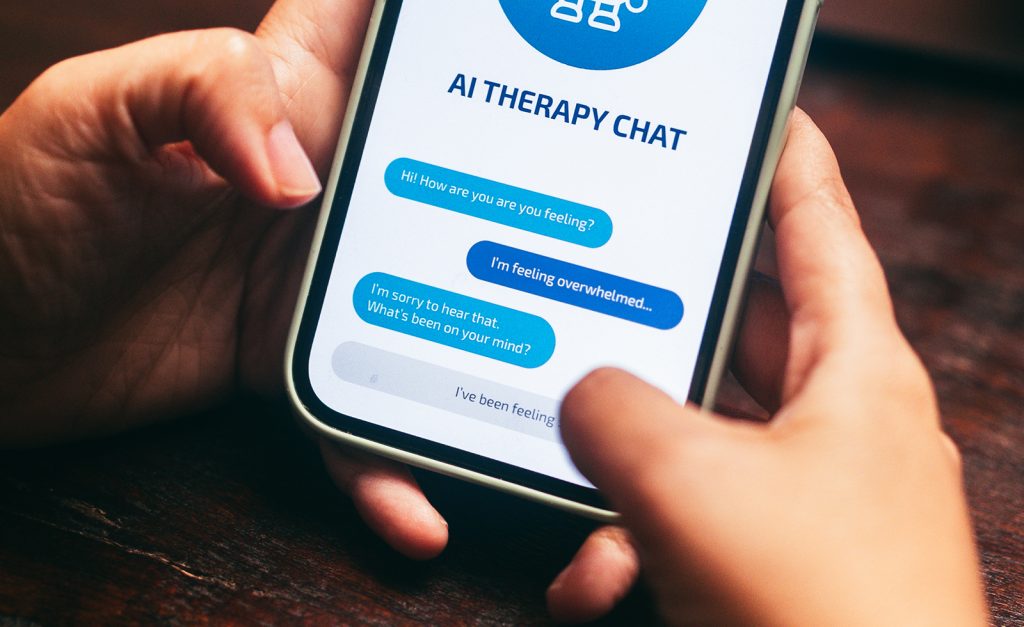
Moreover, clear privacy policies are a must. Developers should articulate how they collect, use, and protect user data. When users engage with an app, they should be provided with an easy-to-understand privacy policy that delineates these practices. This not only builds trust but also ensures compliance with regulations that protect user privacy rights.
Finally, allowing user controls empowers individuals to manage their data actively. Users should have the ability to opt-in or opt-out of data collection features and customize their privacy settings according to their preferences. This could include managing advertising preferences or choosing whether or not to share their learning progress with others.
The intersection of privacy and security in language learning apps invites a deeper exploration of best practices and challenges in digital environments. As awareness grows, both users and developers have the opportunity to engage in conversations that enhance not only the learning experience but also the foundational trust essential for a vibrant digital community.
DISCOVER MORE: Click here to dive deeper
Key Vulnerabilities in Language Learning Apps
As users embrace the convenience of language learning apps, understanding the vulnerabilities inherent in these digital platforms becomes vital. From novice learners to seasoned polyglots, millions entrust their personal information to applications designed to facilitate their educational journeys. However, this trust can be undermined if users are unaware of the potential risks associated with data privacy.
One significant area of concern is the inadequate encryption methods used by many language learning apps. Without proper encryption, sensitive data—including personal profiles, learning progress, and even payment details—can be intercepted. According to reports published by cybersecurity firms, nearly 60% of mobile applications fail to implement basic encryption protocols, leaving user information exposed. Imagine sharing your learning experiences or pronunciation exercises only to find out that this data could be easily accessed by unauthorized entities. Digital privacy breaches can result in identity theft, fraudulent transactions, and long-lasting damage to users’ online reputations.
Furthermore, third-party data sharing is often a blind spot for many users. Language learning apps frequently collaborate with advertising networks and analytics services, which can lead to unwanted sharing of user data. A survey conducted by the Privacy Rights Clearinghouse found that over 70% of users are unaware that their data might be shared with external parties for marketing or analytics purposes. Developers must communicate these practices transparently in their privacy policies, offering users insight into what data is collected and how it is utilized.
To shed light on these issues, here are some common types of data vulnerabilities in language learning apps:
- Unencrypted Data Storage: Sensitive user data can be stored without encryption, making it susceptible to breaches.
- Weak User Authentication: Inadequate password requirements can lead to unauthorized access to accounts.
- Excessive Permissions: Some apps request unnecessary access to device features, such as contacts or location, heightening privacy risks.
- Lack of Update Mechanisms: Many applications do not prompt users for updates, leaving them exposed to known vulnerabilities.
It is crucial for users to remain vigilant regarding the privacy and security policies of the language learning apps they choose. By understanding these vulnerabilities, users can take proactive steps to safeguard their information. In turn, developers have an obligation to prioritize user privacy and security through comprehensive measures and transparent practices that build trust and confidence.
Creating a Culture of Awareness
Promoting a culture of awareness regarding privacy practices can significantly influence the landscape of language learning apps. Educational resources, community forums, and public discussions can empower users to better protect their information while also holding developers accountable for safeguarding user data. As both users and developers navigate the complexities of digital learning, a collaborative approach is essential in ensuring a safe, secure, and enriching educational experience.
| Advantage | Description |
|---|---|
| Data Encryption | Protects sensitive user information by converting data into a secure format, ensuring that only authorized parties can access it. |
| User Control | Empowers users with privacy settings that allow them to manage who sees their information and how it is used, thereby enhancing trust and engagement. |
| Regular Updates | Ensures continuous security improvements that address new threats and vulnerabilities in the ever-evolving digital landscape. |
| Compliance with Regulations | Adheres to data protection laws such as GDPR, ensuring that users’ rights are respected and their data is handled appropriately. |
Protecting user privacy and security in language learning apps is essential in fostering user confidence and ensuring safer experiences. With concerns about data breaches and unauthorized access rising, implementing these features has become a necessity. Features like data encryption not only safeguard personal information but also align with compliance standards set by global regulations. Promoting user empowerment through customizable privacy settings further invites engagement, as learners feel more in control of their data. Regular updates serve as a proactive measure against security vulnerabilities, demonstrating a commitment to users’ safety. Moreover, ensuring compliance is not just a legal obligation but a key factor in maintaining the app’s credibility in a competitive market. As these apps continue to evolve, prioritizing privacy and security remains a crucial strategy to attract and retain users.
DISCOVER MORE: Click here to dive deeper
Best Practices for Enhancing Privacy and Security
As users become more aware of the risks associated with language learning apps, adopting best practices for privacy and security is paramount. Whether you are a beginner or an advanced learner, it is essential to implement measures that can help mitigate potential threats to your personal information. Here are some valuable strategies to consider:
- Opt for apps with robust security features: When selecting a language learning app, prioritize those that offer enhanced security features such as two-factor authentication (2FA) and end-to-end encryption. These measures create additional barriers for unauthorized access and protect user data during transmission.
- Review privacy settings: Many language learning applications come equipped with various privacy settings. Users should take the time to review these options and adjust permissions based on their comfort level. This may include limiting data sharing with third-party advertisers and controlling who can view shared information.
- Keep software updated: Regular software updates often include crucial security patches that address known vulnerabilities. Users should actively check for updates and install them as soon as they are available, ensuring their apps remain fortified against potential cyber threats.
- Use strong, unique passwords: Crafting secure passwords is a fundamental aspect of protecting online accounts. Users should avoid reusing passwords across different apps and opt for complex combinations of letters, numbers, and symbols, along with methods like password managers to keep track of them securely.
- Avoid public Wi-Fi: Using public Wi-Fi networks can expose users to significant security risks, especially when accessing language learning apps that contain personal data. It is advisable to use a virtual private network (VPN) when connecting to public Wi-Fi to encrypt your internet traffic and safeguard your information.
Data privacy regulations also play a crucial role in maintaining user security. The California Consumer Privacy Act (CCPA), for instance, requires companies to disclose the personal information they collect, how it is used, and whether it is shared with third parties. Staying informed about current regulations can help users understand their rights and advocate for better practices from app developers.
Educational Institutions and Organizational Responsibility
Language learning apps are not only popular among individual users; they have also found their way into educational institutions and organizations. Consequently, educational institutions should consider implementing policies that specifically address app usage and data privacy. Training programs can be established to help students and teachers understand the importance of ensuring personal data is safeguarded while using educational technology.
Furthermore, app developers must assume a significant amount of responsibility towards user privacy and security. Developing transparent privacy policies and being upfront about data collection practices can create a foundation of trust between developers and users. By simplifying complex terms and ensuring that users are aware of privacy rights, developers can foster a culture that prioritizes the safety and well-being of learners.
Ultimately, as the landscape of language learning continues to evolve, it is imperative that both users and developers commit to collaborative actions that ensure the safety and integrity of personal information. By establishing a comprehensive approach to security, users can focus on their learning journey without the constant concern of potential privacy breaches.
DON’T MISS OUT: Click here to discover more
Conclusion: A Collective Responsibility for Privacy and Security
As language learning apps continue to rise in popularity across the United States and beyond, the critical need for user privacy and security cannot be overstated. The journey of mastering a new language should not be overshadowed by concerns about data breaches or unauthorized access to personal information. With the digital landscape becoming increasingly complex, it is essential for both users and developers to take proactive measures to safeguard their data.
Users should remain vigilant and informed about best practices, such as choosing apps with strong security protocols, regularly updating their software, and utilizing secure passwords. Educational institutions and organizations also have a role to play, ensuring that their policies promote safe app usage and equip learners with the knowledge to protect their privacy effectively.
On the developer side, fostering transparency through clear and accessible privacy policies can build trust with users. By understanding and adhering to regulations like the California Consumer Privacy Act (CCPA), developers can enhance their credibility and commitment towards user protection. This is especially pertinent as users demand greater accountability from tech companies.
Ultimately, the responsibility for ensuring privacy and security in language learning apps lies with both users and developers. Through collaborative efforts and a shared understanding of the importance of security measures, we can create an environment where learners can enjoy the benefits of technology without compromising their personal data. By prioritizing these practices, users can immerse themselves fully in their linguistic endeavors, paving the way for a more secure and enriching learning experience.
Related posts:
The Importance of Security in Fitness Apps: Protecting Your Health Data
Security in Photo Editing Apps: Keep Your Images and Data Safe
Safety Tips for Daily Productivity Apps: Maximize Your Efficiency Without Compromising Your Privacy
How to Ensure the Security of Daily Productivity Apps and Maximize Their Efficiency
How to Protect Your Apps to Save Money: Essential Security Tips
How to Protect Your Photo Editing Apps with Passwords and Two-Factor Authentication

Beatriz Johnson is a seasoned digital lifestyle strategist and green tech writer with a passion for demystifying sustainable technology and eco-conscious living. With over a decade of experience at the intersection of innovation and sustainability, she specializes in topics like smart home solutions, renewable tech applications, and global trends in green digitalization. Through her work on our platform, Beatriz empowers readers to make informed choices about adopting planet-friendly technologies while optimizing their digital lives for both efficiency and environmental impact.